


Egypt Travel Blog is your ultimate resource for planning an unforgettable adventure in one of the world’s most fascinating destinations. Whether you’re drawn to the ancient wonders of Cairo, the serene beauty of the Nile, or the vibrant culture of Luxor and Aswan, our blog offers expert insights, practical tips, and inspiration to help you make the most of your trip to Egypt. From must-visit historical landmarks like the temples of Karnak to hidden gems off the beaten path, we cover it all to ensure your journey is both memorable and stress-free. ...

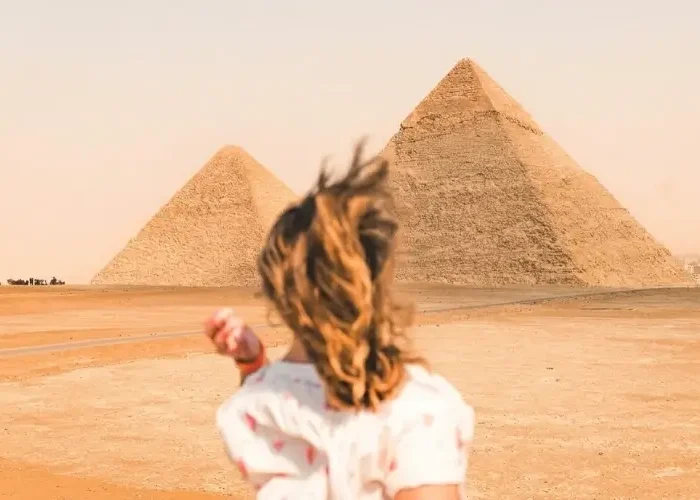
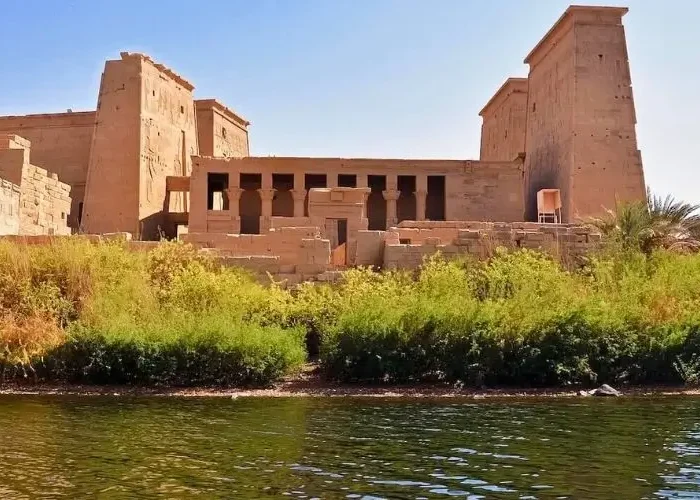

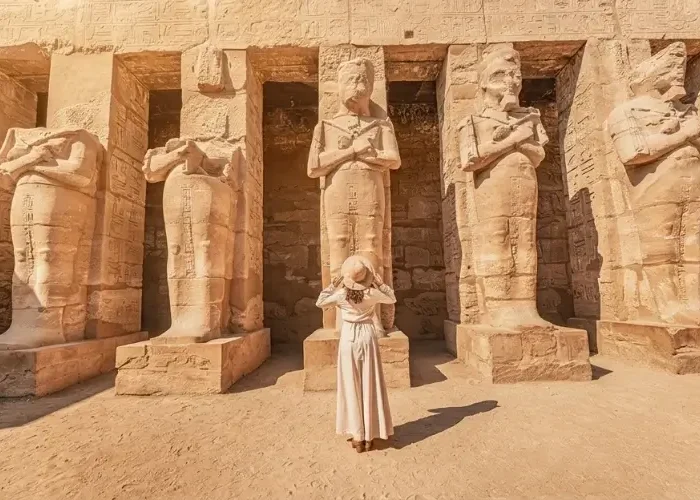

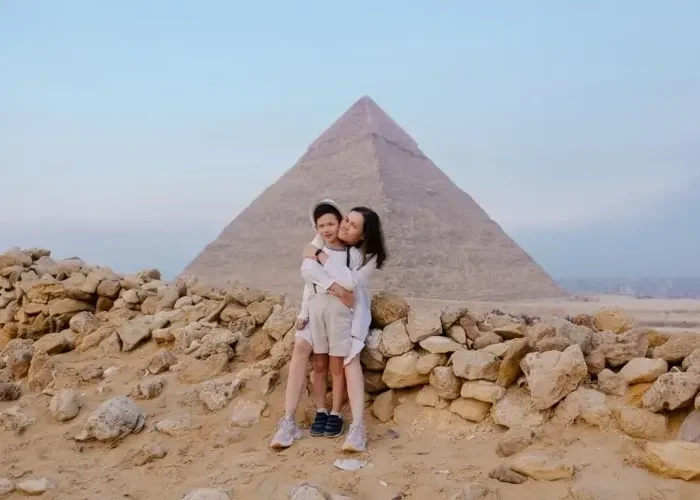
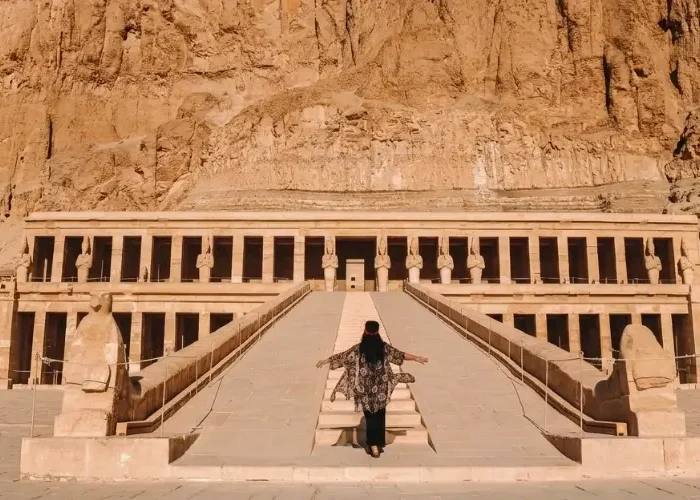
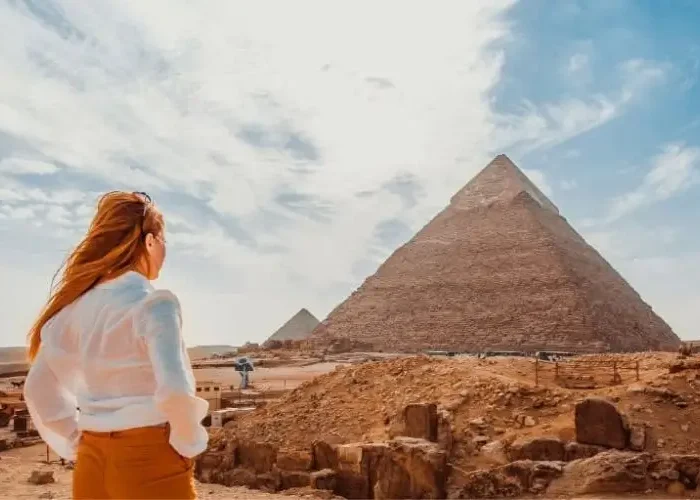
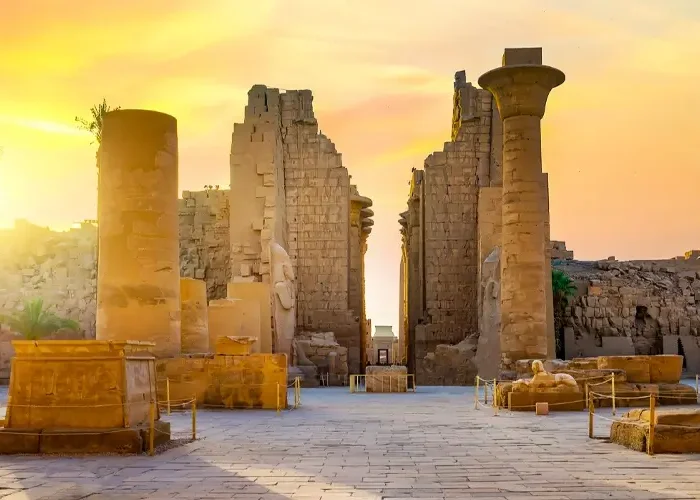
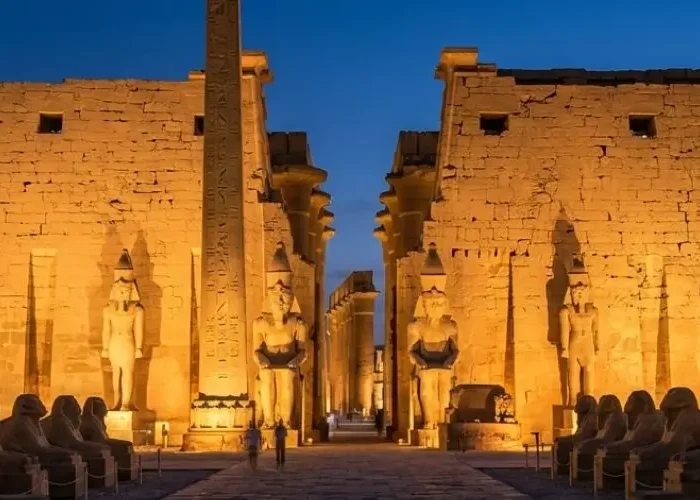
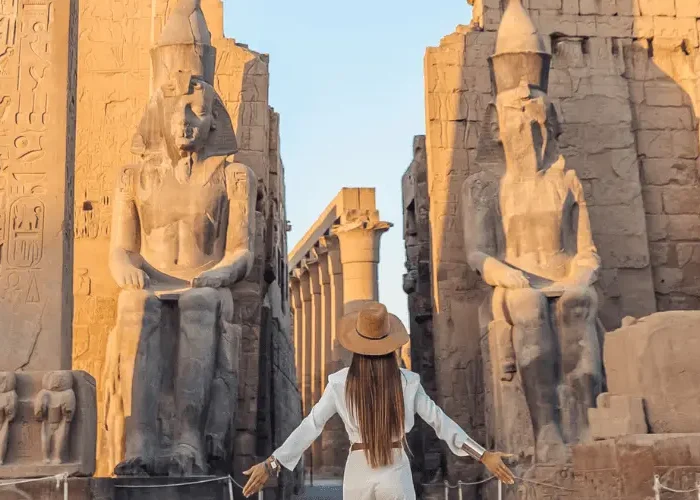

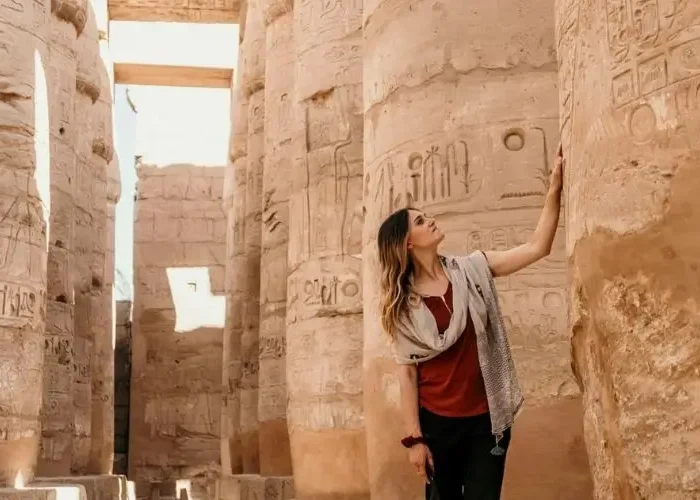





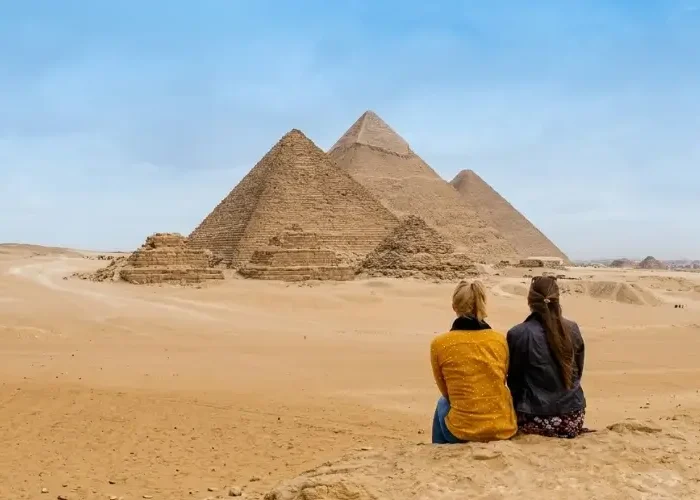


Be sure to check out our comprehensive tours that cover multiple destinations in Egypt.
Create your dream trip to Egypt with the help of our travel consultants.
When planning a trip to Egypt, safety is a top priority. While Egypt remains one of the most fascinating destinations, offering incredible historical sites and breathtaking landscapes, it’s important to be informed and prepared for a smooth, safe journey. Below are essential travel safety tips and advisories for anyone considering a visit:
Stay Informed About Local Conditions: Before you travel, always check the latest travel advisories issued by your government. These advisories provide important information about safety, political stability, and health concerns that could affect your trip.
Secure Your Belongings: Like any popular tourist destination, Egypt can attract pickpockets, especially in busy areas such as markets, historical sites, and public transport. Always keep your valuables in a secure place, such as a money belt or a locked bag. Be mindful of your surroundings and avoid showing large sums of money or expensive electronics in public.
Follow Local Laws and Customs: Egypt has strict cultural and religious norms. Dress modestly, especially when visiting religious or cultural sites. Women should wear clothing that covers their shoulders and knees, and both men and women should avoid wearing revealing outfits. Always respect local customs and traditions to ensure a positive experience.
Weather Conditions and Climate: Egypt can get extremely hot, especially in the summer months (May to September), with temperatures often reaching over 40°C (104°F). If traveling during the hotter months, stay hydrated, wear light, breathable clothing, and take breaks in shaded areas or air-conditioned places. Always carry sunscreen to protect against sunburn.
Transportation Safety: While taxis and private transfers are widely available, it’s best to use reputable services or arrange transportation through your hotel or a trusted tour operator. If you plan to take public transport, always ensure that you use official vehicles, as private or unlicensed cabs might not meet safety standards.
Respecting Sacred Sites: When visiting Egypt’s temples, mosques, and other sacred sites, be respectful of the local customs. Always ask for permission before taking photographs, especially in religious places. It’s also important to keep noise levels low and avoid disturbing other visitors who may be in a more contemplative state.
Crime and Civil Unrest: While Egypt is a generally safe country for tourists, it’s essential to stay aware of your environment, especially in major cities like Cairo. Be cautious of demonstrations or large gatherings, as they can sometimes turn violent. Always follow the advice of local authorities or your tour guide if safety is a concern.
Emergency Numbers: Familiarize yourself with local emergency numbers. In Egypt, the general emergency numbers are 122 for police and 123 for medical emergencies. It’s also a good idea to know the contact information of your country’s embassy or consulate in case of emergencies.
Avoid Political Discussions: While Egypt is a welcoming country for tourists, it’s best to avoid discussing sensitive topics like politics, religion, or personal opinions about local affairs, especially with strangers. This will help you avoid misunderstandings and ensure a respectful and enjoyable experience during your visit.
By staying informed and following these essential safety guidelines, you can ensure a safe and memorable trip to Egypt. Whether you’re exploring the Pyramids of Giza, cruising the Nile River, or visiting the treasures of Luxor, being aware of your surroundings and prepared for potential challenges will allow you to enjoy everything Egypt has to offer with peace of mind.
Most travelers visiting Egypt will need a tourist visa, which is easy to obtain and fairly straightforward. The standard visa costs $25 USD and is valid for 30 days. You can get it upon arrival at major international airports or apply in advance through Egypt’s official e-Visa portal. We recommend applying online if you want to save time at the airport. Nationals of some countries may have specific entry rules, so it’s always a good idea to double-check before your trip. At Tripianto, we’re happy to assist with up-to-date visa information and help ensure your arrival is smooth and stress-free.
The local currency is the Egyptian Pound (EGP), but U.S. dollars are also widely accepted in tourist areas. Cash is king—especially at markets, small shops, and for tips—so keep a supply of small bills handy. Major hotels, upscale restaurants, and larger stores usually accept credit cards, but rural areas and street vendors often don’t. ATMs are available in most cities, but notify your bank before traveling. At Tripianto, we always advise guests to carry a mix of local currency and small U.S. notes to ensure smooth transactions throughout their journey.
Tipping—known locally as “baksheesh”—is a well-established part of Egyptian culture and a gesture of appreciation for service. For small tasks like carrying bags or restroom service, 2–5 EGP is typical. In restaurants, 10–15% is standard if service isn’t included. For your guides, drivers, or hotel staff, tipping is expected and highly appreciated—consider budgeting around $3–5 USD per day per person for drivers and $10–15 USD for your guide. At Tripianto, we’ll provide clear tipping guidance so you can navigate local customs with confidence and generosity.