


Last verified: May 2026
Quick Answer
🛡️ Is Egypt safe to visit in 2026 & what do tourists need to know?
Yes — tourist areas are safe for the vast majority of visitors. Egypt hosts millions of tourists yearly with heavy security at all major sites. Awareness of a few key rules makes all the difference.
Avoid North Sinai & Western Desert
active military zones, no tourist access · South Sinai (Sharm) and Red Sea resorts are safe
Skip demonstrations
avoid large gatherings especially Fridays after noon prayers · move away calmly if crowds form near you
Documents
Enroll in STEP (US) or your country’s travel registry · carry passport copies · valid 6 months beyond return date
At sites
Security checks & bag scanners at every major site are normal · use official entrances only · follow police cordons
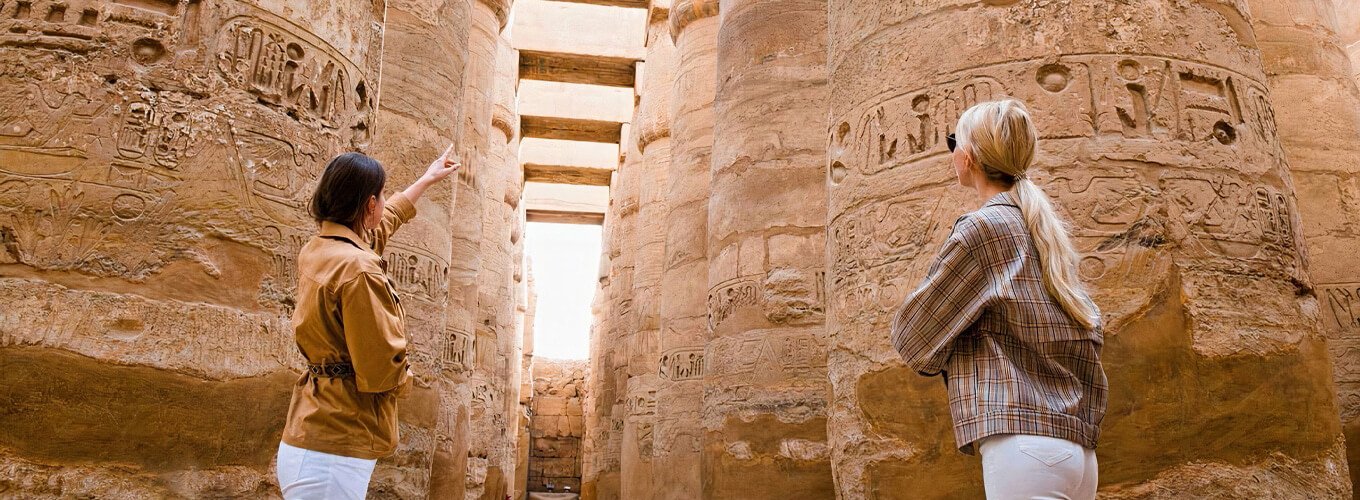
Egypt welcomes nearly 15 million tourists annually, who return home with unforgettable memories. The Pyramids of Giza at dawn, the Karnak Temple shimmering in the golden light of the midday sun, the tranquility of the Valley of the Kings, and the azure and turquoise waters of the Red Sea—Egypt is undoubtedly one of the world’s greatest travel destinations. It’s also a country where advance planning makes all the difference between a smooth trip and a stressful one.
This guide isn’t meant to scare you, but rather to offer what Cairo guides provide to every traveler who books with us: honest, specific, and practical Egypt Travel Safety Tips for 2026. We address regional risks honestly, suitable transportation options, women’s safety in practical detail, essential health preparations, scams that plague tourists every season, visa regulations that cause problems for unprepared visitors, and a clear guide to what to do in an emergency. Read the quick tips above first, then use the following sections as a reference.
Key Takeaways
- Stay informed: Conditions can change quickly—monitor local notices and advisories.
- Plan documents: Enroll in STEP, backup papers, and ensure passport rules are met.
- Avoid hotspots: Skip demonstrations and sensitive sites, and follow exclusion zone guidance.
- Prepare health-wise: Carry prescriptions, follow medication limits, and update vaccines.
- Know entry/exit rules: Confirm visa options and whether an entry stamp is required to depart.
Which areas of Egypt are safe — and which to avoid
Egypt is a large, diverse country. Safety varies significantly by region. Here is the honest breakdown, area by area, for 2026.
Key rule: If you are visiting Cairo, Luxor, Aswan, Hurghada, or Sharm El Sheikh, you are not near any high-risk areas. Areas to avoid are far from typical tourist routes, Egypt’s tourist infrastructure is concentrated in safe areas.
Start with a quick reality check: conditions on the ground can change with little warning. As part of your Egypt Travel Safety Tips preparation, monitor local and international media before you leave and while you’re out. Flights or airspace may be disrupted at short notice, so build flexibility into your schedule.
Keep a low profile around crowds and demonstrations. Arrests have occurred for bystanders and for social posts critical of local allies. If a gathering forms, move away and find a safe route out.
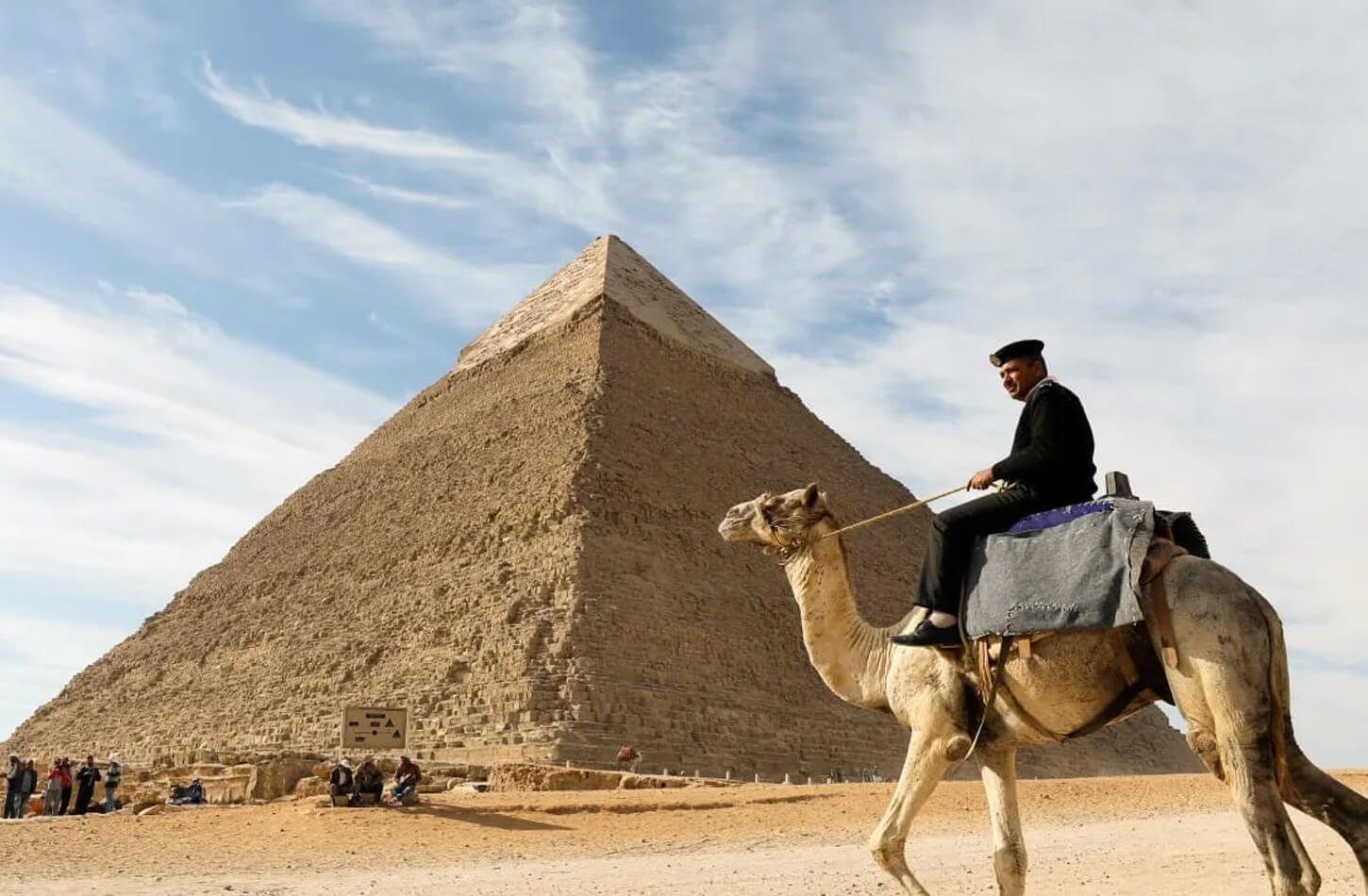
Expect heavy security in the city and at major sites. Passing bags through scanners and walking through metal detectors is common. Follow cordons and official directions—there were attacks on tourist buses near the pyramids at Giza in 2018 and 2019, so use designated entrances.
Prepare practical backups: enroll in STEP or your country’s registration system, have offline copies of your passport and visa, and keep medicines and chargers in your carry-on. As part of your Egypt Travel Safety Tips, if anything feels off, step away and reassess from a safer position.
Transport and road safety in Egypt
Egypt’s roads are busy, fast, and governed by different rules than most Western countries. The right transport choices eliminate most transport-related risk.
Use Uber or Careem — every time
The single most important transport safety decision in Egypt
App-based taxis are metered, GPS-tracked, and linked to your payment method — making fare disputes, route deviations, and overcharging essentially impossible. The driver’s name, vehicle plate, and route are all recorded. In 2026, both Uber and Careem operate reliably in Cairo, Giza, Luxor, Aswan, and Alexandria. This is the single best safety upgrade available to any tourist in Egypt, at no extra cost.
Practical tip: Confirm the driver’s name and plate via the app before you get in. As part of your Egypt Travel Safety Tips, screenshot the trip details. Keep your phone charged — a dead phone means no app, no GPS record, no recourse if something goes wrong. Keep a power bank in your bag at all times.
Practical tip: Confirm the driver’s name and plate via the app before you get in. Screenshot the trip details. Keep your phone charged — a dead phone means no app, no GPS record, no recourse if something goes wrong. Keep a power bank in your bag at all times.
Intercity Travel – Licensed Drivers and Trains
To travel from Cairo to Luxor or from Cairo to Aswan, take air-conditioned first-class trains (book through Egyptian National Railways or a licensed tour operator) or hire a licensed private driver through your tour operator. As part of your Egypt Travel Safety Tips, confirm pickup times, itineraries, and phone numbers in advance. Expect checkpoints between cities – keep your passport and hotel reservations handy and follow instructions.
Road conditions: Egypt has a high road accident rate. If driving, stay on main highways, drive in daylight, and carry vehicle papers at all times. Back seats in some taxis may lack seat belts — check before you sit down for a longer journey.
Metro, trains, ferries — what works and what to avoid
Cairo’s metro is fast and cheap but very crowded. As part of your Egypt Travel Safety Tips, use women-only cars (clearly marked) during peak hours and keep bags in front of you. For trains: choose first or second-class air-conditioned services; travel by day. For Nile ferries: board early to check exits and life jacket availability; skip crossings in rough weather. Avoid microbuses entirely — their driving standards and maintenance are unsafe by any measure.
Women’s safety in Egypt — honest advice for solo and group travelers
Egypt is safe for women travelers, including solo visitors — but preparation matters. Harassment does occur, and knowing how to reduce and respond to it makes a real difference.
What to expect and how to move confidently
Women travellers — including solo visitors — regularly have excellent experiences in Egypt. Preparation reduces almost every common risk. The key habits: dress modestly (shoulders and knees covered in public areas outside hotels), walk with purpose and eye contact, use app-based taxis rather than unmetered cabs, take women-only metro cars, and avoid poorly lit streets or isolated areas after dark. Set clear rendezvous points if travelling with a group.
Clothing tip: A lightweight scarf or shawl in your bag is the most versatile piece of gear for women visiting Egypt. It covers shoulders at religious sites, reduces attention on busy streets, and is appropriate for entering mosques, markets, and rural areas. Pack two.
Our verdict: Solo female travel in Egypt is absolutely achievable and regularly rewarding. The combination of app taxis, modest dress, and Tourist Police presence at major sites means most female visitors complete their trips without any serious incidents. As part of your Egypt Travel Safety Tips, plan ahead and trust your instincts.
Navigating tourist sites — Giza, Luxor, Karnak, Abu Simbel
Egypt’s major tourist sites are well-secured and safe. Following these Egypt Travel Safety Tips and knowing the routine — security screening, timing, photography rules, and common scams — makes your visit smoother.
Security Checks and What to Expect Upon Entry
Expect bag checks and metal detectors at the Giza Plateau, Karnak Temple, Luxor Temple, Valley of the Kings, and Abu Simbel. This is a routine procedure and not an indication of a security threat. As part of your Egypt Travel Safety Tips, have your tickets ready. Carry your passport or a clear copy of it, and comply with identity checks when approaching sensitive areas.
Photography Rules – What’s Allowed and What’s Not
Photography is generally permitted in open areas at major sites. However, photography is strictly prohibited inside the burial chambers in the Valley of the Kings. Camera tripods at most sites require a permit or an additional fee – please inquire at the ticket office. Photographing police, soldiers, military vehicles, checkpoints, or government buildings is strictly prohibited. This rule is strictly enforced, and some violators have been arrested. If in doubt, put your camera down.
Scams involving camel and horse photography: Some people near the entrance to Giza may offer free photos with their animals, then demand between 100 and 500 Egyptian pounds after the picture is taken. Therefore, always agree on a price in writing before touching the animal or taking any photos.
Timing Your Visit: Heat, Crowds, and Safety
It is recommended to visit open-air sites (Giza, Karnak, Abu Simbel) between 7 and 9 a.m. or after 4 p.m. in the summer. As part of essential Egypt Travel Safety Tips, remember that midday temperatures (May to September) can reach 38–42°C on the Giza Plateau, where the area is completely exposed to the sun without any shade. Therefore, bring at least 1.5 liters of water per person, a hat, and sunscreen with an SPF of 50+. Heatstroke is common among tourists in the summer. The air-conditioned Grand Egyptian Museum is an ideal place to rest during the midday heat.
Health and hygiene essentials for a safe Egypt trip
Vaccinations, Food, Water, and Medical Care
Vaccines: Check your MMR (measles, mumps, rubella), tetanus, hepatitis A, and polio vaccination schedule at a travel health clinic six weeks before you travel. The hepatitis A vaccine is the most recommended additional vaccine for travel to Egypt, as it is transmitted through food and water.
Food and Water: Drink bottled water for drinking, brushing your teeth, and making ice. As part of your Egypt Travel Safety Tips, avoid swallowing water while showering. Avoid eating raw fruits and vegetables that cannot be peeled, and be cautious when buying ice cream from street vendors in the summer. Swimming in fresh water (the Nile and irrigation canals) carries the risk of schistosomiasis, so stick to hotel pools and the Red Sea.
Medical Care: Cairo and Sharm El Sheikh have good private hospital facilities. Outside of these two areas, emergency services are limited, and ambulance response times are not guaranteed. Travel health insurance that covers medical evacuation is not optional; it is essential. Save your insurance company’s 24/7 offline emergency number before you travel.
Medications: Carry all medications in their original packaging with printed prescriptions. Some controlled substances require additional documentation – please check with the Egyptian embassy before traveling. Do not exceed a three-month supply.
Travel tip: Pack a small first-aid kit containing oral rehydration salts, Imodium, sunscreen with SPF 50+, antihistamines, acne patches, and any other personal medications. Egyptian pharmacies are plentiful, but it’s best to arrive with your basic supplies already stocked.
Documents, visas, and entry/exit rules — avoid last-minute surprises
Document requirements in Egypt are straightforward, but the entry stamp rule may surprise many visitors. Read this section before you travel.
Passport Validity and the Entry Stamp Rule
Your passport must be valid for at least six months beyond your planned departure date. Some airlines require a longer validity period—consider this with your airline before booking.
The most common rule that is often overlooked: You need the entry stamp to get the exit stamp. Photograph the personal data page of your passport and the entry stamp immediately upon passing through immigration. Save digital copies in a secure cloud application and email them to a trusted contact in your home country. If you lose your passport while in Egypt, go to the immigration office to have the entry stamp transferred to your new passport before attempting to leave.
Visa Options for Egypt – 2026
Most nationalities (including citizens of the UK, EU, USA, Australia, and Canada) can obtain an Egyptian visa using one of three methods: (1) e-Visa via visa2egypt.gov.eg – apply online two to four weeks before your trip; (2) visaon Arrival – available at Cairo, Hurghada, Sharm El Sheikh, and Luxor International Airports; (3) Visa sticker, which can be purchased from a bank branch before passport control (please bring cash in US dollars – $25 to $35 USD depending on your nationality).
Please keep a copy of your e-Visa approval receipt in case Wi-Fi is not available at the airport. Overstay fines apply – please contact the passport office in advance if you wish to extend your stay.
Travel Tip: Dual nationals with an Egyptian passport may be required to enter and exit Egypt as Egyptian citizens. As part of your Egypt Travel Safety Tips, families traveling with newborns of Egyptian origin should also check exit stamp requirements with the Egyptian consulate before departure.
Money, cash, and how to avoid the most common Egypt scams
Financial safety in Egypt is about having the right combination of cash and cards — and knowing which situations are set up to take advantage of tourists.
ATMs and Cards : ATMs are available at airports, major hotels, and on main streets. Many machines restrict single withdrawals, so it’s advisable to plan multiple withdrawals. Split the amount between two cards in case one fails.
What to Carry Daily : Bring 20 to 50 Egyptian pounds for tips, restrooms, and small purchases. Carry your hotel and restaurant cards. Keep everyday cash in a front pocket, not a back pocket or loose bag.
ATM Card Theft : If an ATM withdraws money from your account without dispensing cash: Photograph the machine’s ID, record the time, and contact your bank immediately while you are still in Egypt. As part of your Egypt Travel Safety Tips, use ATMs inside banks or hotel lobbies.
RFID Protection : Use a wallet or card sleeve with RFID-blocking technology. Keep a spare card in a completely separate location (hotel safe or in your clothing) so you don’t lose all your money if your wallet is stolen.
Common Tourist Scams in Egypt – And How to Avoid Them
The “Free Tour Guide” Scam: A friendly local offers you a free tour, then demands a hefty sum at the end. Rule: If you want a tour guide, book one in advance through a licensed company.
The Camel/Horse Photo Scam: A “free photo” with an animal near Giza or Luxor is followed by a demand for exorbitant sums ranging from 200 to 500 Egyptian pounds. Agree on the price in writing before any interaction.
Overpriced Restaurant Prices in Tourist Areas: Restaurants located directly outside the entrances to tourist sites (Sphinx Gate, Karnak Gate) charge 3 to 5 times the local prices. Walk one street to find local food at local prices.
The Fake Ticket Seller: Someone outside the ticket office offers to sell you “no-waiting” tickets. Only buy tickets from official offices or through official websites.
The “Closed Today” Scam: A stranger near a major tourist site tells you it’s closed and offers to take you to a relative’s shop or an alternative destination. Ignore this and check official sources.
The “Broken” Taxi Meter: Insist on the meter before getting into a taxi, or use Uber/Careem. If the driver refuses, get out.
The rule that prevents most scams: Slow down. Any unsolicited offer in a tourist area — a gift, a guide, a shortcut, a special price — is almost always the opening move of a scam. As part of your Egypt Travel Safety Tips, acknowledge, decline firmly, and keep walking.
Demonstrations, gatherings, and sensitive dates
Avoiding demonstrations and managing high-risk dates
Egyptian law prohibits unauthorized demonstrations and arrests can include bystanders — not just participants. As part of your Egypt Travel Safety Tips, remember that gatherings typically appear near mosques after Friday noon prayers and in major public squares. Leave any area where a crowd is forming; use side streets and avoid filming.
Dates of heightened caution:
— January 25 (Revolution Day) — avoid central Cairo squares
— Late January through early February generally
— June 30–July 3 (2013 Revolution anniversary)
— August 14 (Rabaa dispersal anniversary)
— Orthodox Easter week (dates vary)
On these dates: favour museums, the Grand Egyptian Museum, or indoor sites. Build extra time for transit. Choose accommodation away from known protest locations (Tahrir Square, Al-Azhar area).
If caught near a demonstration: Leave immediately via side streets. Do not film. Do not engage. Find a well-lit busy commercial area and wait until it’s clear. Share your live location with a trusted contact and keep your phone charge
Local laws, cultural respect, and social media caution
Desert and adventure travel safety — Siwa, White Desert, Red Sea diving
Permits and route planning: Desert journeys (Western Desert, Siwa approach, White Desert routes) may require official permits — confirm in advance with your licensed operator. As part of your Egypt Travel Safety Tips, remember that some routes are partly unpaved with minimal services. Top up fuel and cash before leaving the last major town.
Guides and operators: Only use licensed, reputable guides with verified reviews for 4×4 desert trips. Inspect vehicles before departure — recovery gear, radio, fuel range, and water supply. Log your route with your hotel and agree on a check-in schedule if connectivity drops.
Red Sea diving and snorkelling: The Red Sea is one of the world’s best dive destinations and broadly safe. Use PADI/SSI-certified dive centres, inspect equipment before each dive, and confirm the dive boat has oxygen and a first-aid kit aboard. Do not dive alone. Current conditions in certain areas (strong currents, boat traffic) require experienced guides.
Landmines: Some areas of the Western Desert and certain coastal zones near the Libyan border have uncleared mines from World War II. Never go off marked tracks in remote desert areas without a local expert guide.
Insurance for adventure activities: Confirm that your travel insurance explicitly covers the activities you plan — desert 4×4, diving, snorkelling, camel trekking. As part of your Egypt Travel Safety Tips, remember that standard travel insurance often excludes “adventure activities.” This matters most for medical evacuation from remote locations.
Staying connected — SIMs, emergency numbers, and offline prep
SIM and data: Buy a local SIM (Vodafone, Etisalat, or Orange Egypt) at the arrivals terminal — prepaid plans are inexpensive and cover all tourist areas. As part of your Egypt Travel Safety Tips, if you prefer, activate an eSIM before departure (Airalo and similar services offer Egypt plans). Ensure your phone is unlocked before arriving. Test data and make a call before leaving the terminal.
Offline prep: Download Google Maps offline areas for Cairo, Luxor, Aswan, and wherever you’re visiting. Mobile data near the Giza Plateau and some valley sites can be unreliable. Pin hospitals, Tourist Police stations, your hotel, and your embassy offline.
Save these before you fly: Your country’s embassy number in Cairo, your travel insurer’s 24/7 emergency line, your hotel’s WhatsApp number, and the numbers above. Paper backup in your wallet — phone batteries die.
When things go wrong — theft, scams, and emergencies
If you are robbed or assaulted: Go directly to the nearest Tourist Police post (blue uniform, present at all major sites) and file an official report. Request a printed copy — this document is required for insurance claims and embassy assistance. Capture facts immediately: time, location, description, photos if safe. Contact your bank to freeze compromised cards. Alert your embassy.
If your passport is lost or stolen: Report immediately to Tourist Police and your embassy. Your embassy can issue an Emergency Travel Document. You will need to obtain a replacement entry stamp from Egyptian Immigration before you can depart — do this as early as possible, as it can take time.
Medical emergency: Call 123 (ambulance). For serious emergencies outside Cairo, call your travel insurer’s 24/7 evacuation line immediately — do not wait for an ambulance that may not arrive. Private hospitals in Cairo: As-Salam International Hospital (+20 2 2524 0250) and Cleopatra Hospital (+20 2 2414 9654).
If detained or arrested: Request to contact your embassy immediately — you have this right. Do not sign anything without a consular officer present or legal advice. Contact your country’s embassy in Cairo (US: +20 2 2797 3300; UK: +20 2 2791 6000; Australia: +20 2 2770 6600).
Egypt Safety & Travel FAQs (Short Answers)
Is Egypt safe for tourists in 2026?
Yes. Major tourist destinations such as Cairo, Giza, Luxor, Aswan, Hurghada, Alexandria, and Sharm El-Sheikh are considered safe for visitors. As part of your Egypt Travel Safety Tips, stick to popular tourist areas and avoid restricted regions such as Northern Sinai, the Libya border zone, and the Sudan border.
Is Egypt safe for solo female travelers?
Yes. Solo female travelers visit Egypt successfully every year. Use Uber or Careem, dress modestly, stay in busy areas, and avoid walking alone late at night. Tourist Police are available at major attractions.
What are the emergency numbers in Egypt?
- Police: 122
- Tourist Police: 126
- Ambulance: 123
- Fire: 180
Save these numbers, along with your embassy and travel insurance contacts, before your trip.
Do I need a visa to visit Egypt?
Most travelers can obtain a visa on arrival or apply online for an e-visa. As part of your Egypt Travel Safety Tips, ensure that your passport is valid for at least six months beyond your travel dates.
What should tourists avoid in Egypt?
Avoid restricted border regions, demonstrations, photographing military or police facilities, unlicensed taxis, tap water, and overpriced shops directly outside major attractions.
Is it safe to drink tap water in Egypt?
No. Use bottled water for drinking and brushing your teeth to help prevent stomach problems.
Can I photograph the Pyramids and other attractions?
Yes. Photography is generally allowed at outdoor sites, but photography inside many tombs is prohibited. Never photograph military, police, checkpoints, or government buildings.
What travel insurance do I need for Egypt?
Choose travel insurance that includes medical treatment and emergency evacuation. If you plan to dive, hike, or take desert excursions, ensure those activities are covered by your policy.
Conclusion
A focused approach to documents, health, and timing keeps your trip smooth and memorable. Keep key papers accessible, enroll in STEP, and confirm your passport has six months’ validity. Carry proof of your entry stamp—airports may request it when you leave. Exercise caution in high‑risk areas and avoid Northern/Middle Sinai, the Western Desert, and border zones. Stay current on polio and other vaccines and buy evacuation‑capable medical insurance before you go.
Use this guide as your playbook: follow these Egypt Travel Safety Tips, pick licensed transport, rely on hotels for local updates, share your itinerary with your group, and build buffer time around big moves. With these small choices, your trip can be safe, rewarding, and full of the world-class places you came to see.
