


Last verified: May 2026
Quick Answer
How do you plan a trip to Egypt step by step?
Plan around 3 decisions: when to go (Oct–Apr), what route (Cairo → Luxor → Aswan), and how long (7 days minimum). Visa on arrival $25 USD cash. No special vaccinations required.
Pick Oct–Apr — avoid Jun–Aug.
Luxor hits 42°C in summer. Oct–Nov and Feb–Mar are the sweet spots: mild, less crowded, better prices.
Book flights into Cairo, out of any city.
Open-jaw tickets (fly in Cairo, out Hurghada/Luxor) save time and cut backtracking costs significantly.
Get your visa on arrival — $25 USD cash only.
Available at Cairo, Luxor, and Hurghada airports. Or apply online at visa2egypt.gov.eg before you travel.
Build the classic route: Cairo→ Luxor → Aswan .
Add a Nile cruise between Luxor and Aswan. One week covers all major sites comfortably.
Most people spend three months wondering how to start planning a trip to Egypt and then book everything in a weekend once they know the logic. The logic is not complicated. Egypt has one classic route, one best season, one visa process, and a handful of decisions that separate a great trip from a frustrating one. This guide gives you all of them, in the order you need them, with real prices and real advice from our Cairo-based team — not the generic tips that appear on every other Egypt planning page.
Whether you have seven days or two weeks, whether you are travelling solo, as a couple, or with a family — the foundation is the same. Cairo first, then south along the Nile. Everything else is a variation on that spine.
When to Go — Choosing the Right Time to Visit Egypt
The single most important planning decision for Egypt is timing. Get it right and the trip is extraordinary. Get it wrong — specifically, book July or August — and you are spending your days in 42°C heat on the open Giza Plateau, retreating to air conditioning by 10am, and spending double the money for a fraction of the experience.
October to April is the window. The best time to visit Egypt in specific terms: October–November and February–March are the sweet spots within that range. Temperatures in Luxor and Aswan sit at 22–28°C — warm, not punishing. Crowds are manageable before 9am at major sites. Prices are lower than the Christmas and Easter peaks, when demand from European and American visitors spikes. April is still pleasant but begins to warm quickly. May is transitional. June through September: the heat is serious and the experience suffers proportionally.
Safaa tip: For the best combination of weather, price, and atmosphere, book for late October or the first two weeks of November. The summer crowds are gone, the Christmas premium has not yet kicked in, and Luxor and Aswan are at their most accessible.
Ramadan deserves a note. The dates shift annually — in 2026, Ramadan runs approximately late February to late March. Egypt is safe and welcoming to tourists during Ramadan, but expect some restaurants to be closed during daylight hours, alcohol unavailable in local establishments, and a different pace to public life. Some visitors find it a fascinating cultural experience. Others prefer to avoid it. Plan accordingly.

How Long Do You Need — 7, 10, or 14 Days?
The answer depends on what you want to see and how fast you like to travel. Here is the honest breakdown, without padding:
7-Day Egypt Itinerary
First-timers
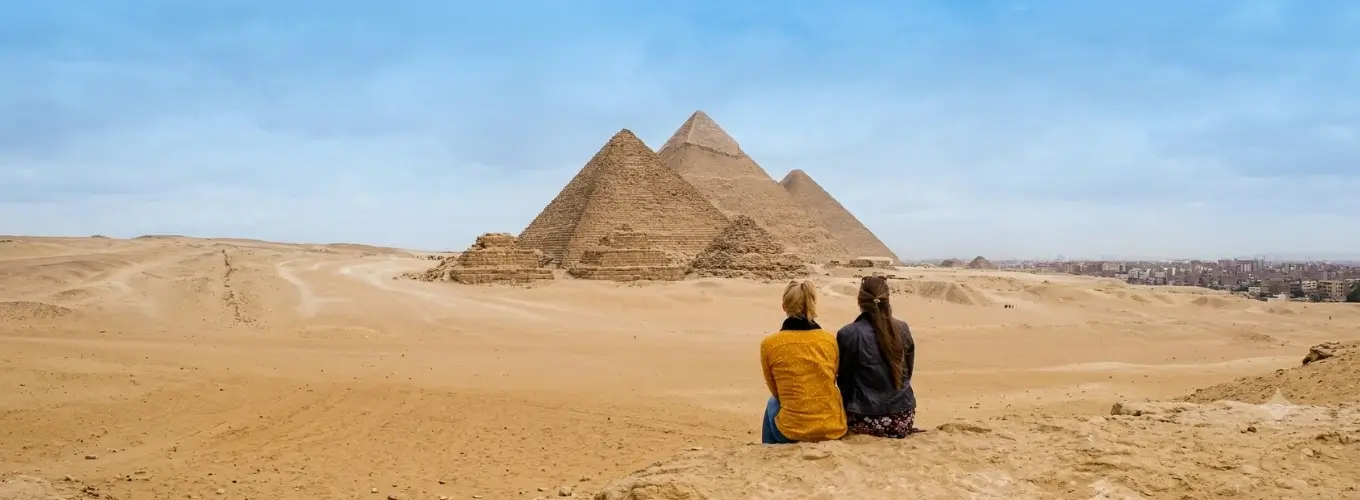
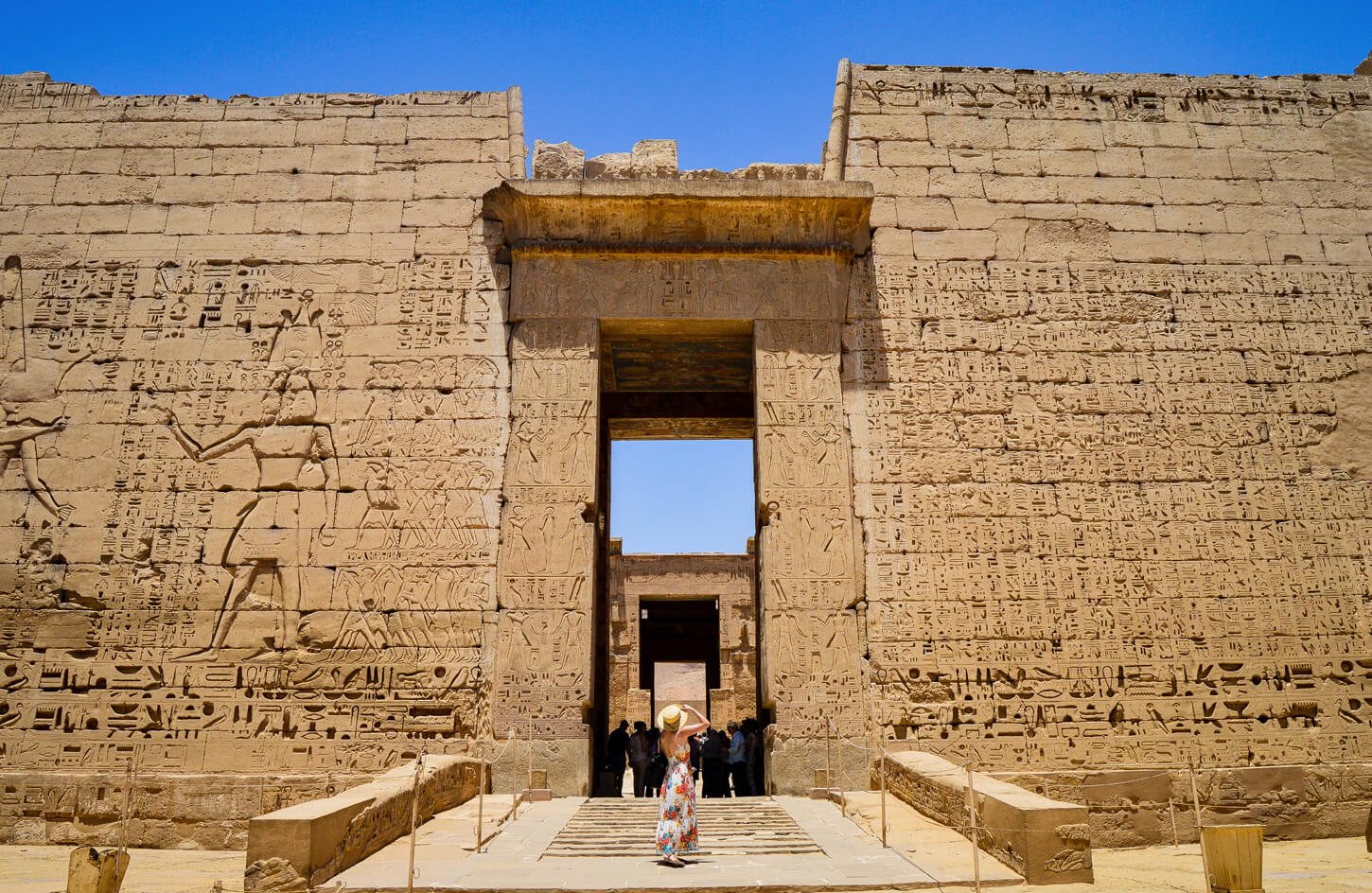
Days 1–3 Cairo: Giza Plateau and Sphinx, Grand Egyptian Museum (GEM), Khan El-Khalili bazaar, Islamic Cairo. A Cairo day tour with an Egyptologist covers this without the logistics stress of navigating alone. Days 4–5 Luxor: East Bank (Karnak at dawn, Luxor Temple at dusk) and West Bank (Hatshepsut’s temple, Valley of the Kings, Medinet Habu). Days 6–7: Either a quick Aswan excursion (Philae + Abu Simbel flight) or a return to Cairo for a day trip to Alexandria or Saqqara. Seven days is enough to see the headline sites without feeling rushed — but you will leave wanting more.
10-Day Egypt Itinerary
Most popular
Days 1–3 Cairo: Full Giza complex, GEM, Islamic Cairo, optional Saqqara day trip. Days 4–5 Luxor: East and West Bank temples — same as the 7-day version, but without the time pressure. Days 6–8 Nile Cruise: Board in Luxor, stop at Edfu and Kom Ombo, arrive Aswan. A 4-night Nile cruise is the most comfortable way to cover this stretch — Egyptologist guide aboard, meals included, temples at each port. Days 9–10 Aswan: Abu Simbel (morning flight or drive), Philae Temple, Aswan High Dam. Fly home from Aswan directly. Ten days is the right trip for most first-time visitors.
14-Day Egypt Itinerary
Full Egypt
Days 1–4 Cairo: Full GEM, Giza, Saqqara, Memphis, and a day trip to Alexandria for the Bibliotheca Alexandrina and the Catacombs. Days 5–6 Luxor: Both banks without rushing. Days 7–10 Nile Cruise: 4-night cruise Luxor to Aswan, with Egyptologist guidance at every stop. Days 11–12 Aswan: Abu Simbel, Philae, the Nubian villages by felucca. Days 13–14 Red Sea: Fly to Hurghada for two days of snorkelling or diving on the reef before flying home. The 14-day version lets you genuinely exhale between major sites. Book the classic Egypt package if you want this structured from end to end.
Visa and Entry Requirements for Egypt — 2026
Egypt’s visa process is straightforward, but two details catch visitors out every year. Here is the exact process for 2026.
Most nationalities — including UK, US, EU, Australian, and Canadian citizens — have three options. Visa on arrival: available at Cairo, Luxor, and Hurghada airports. Cost: USD 25 cash, paid at the bank counter before the immigration desk. Bring USD bills — Egyptian pounds are not accepted for the visa fee, and the bank desk may not have change for large notes. E-visa: apply online at visa2egypt.gov.eg two to four weeks before travel. Save the approval screenshot offline — airport Wi-Fi is unreliable on arrival. Visa sticker: some nationalities can purchase a sticker at the bank counter; check your specific nationality’s requirements before travel.
The detail that most guides omit: if you plan a trip to Egypt, you need your entry stamp to exit the country. Photograph your passport bio page and your entry stamp the moment you clear immigration. If you lose your passport while in Egypt, visit Immigration before your departure date to transfer the entry stamp to a replacement — without it, you cannot be issued an exit stamp. This is an important detail to remember when you plan a trip to Egypt and prepare your travel documents.
Passport validity: Your passport must be valid for at least six months beyond your planned return date. Some airlines require longer — confirm with your carrier before booking flights.
Egypt Travel Budget — Real Costs for 2026
Egypt is significantly more affordable than Western Europe or North America, but prices have risen with the EGP devaluation cycles of 2022–2024. Here is what to realistically budget in 2026, in USD (1 USD ≈ 49 EGP as of June 2026):
USD 50–80/day
Budget: Hostel beds (USD 10–18), local restaurants (50–100 EGP per meal), public transport, entry tickets. Manageable with careful choices. See our Egypt budget tours for pre-packaged options.
USD 120–200/day
Mid-range: 3–4 star hotels (USD 60–120/night), sit-down restaurants, licensed guided tours, domestic flights. This is the right budget for most first-time visitors seeking comfort without luxury pricing.
USD 300+/day
Luxury: 5-star Nile-view hotels, private Egyptologist guides, luxury Nile cruise cabins, business-class domestic flights. Cairo and Luxor have excellent luxury options at prices significantly below equivalent European hotels.
Key fixed costs
Giza Plateau ticket: 450 EGP (~USD 9). Valley of the Kings: 400 EGP (~USD 8, 3 tombs). Abu Simbel: 540 EGP (~USD 11). Domestic flight Cairo–Luxor: USD 60–120. Nile cruise (4 nights): USD 400–900 per person, full board.
The biggest cost variable is accommodation. When you plan a trip to Egypt, a 10-day mid-range itinerary including international flights from Europe, hotels, guided tours, and a 4-night Nile cruise typically comes to USD 2,500–4,000 per person. From the US, add USD 400–800 for transatlantic flights. Booking tours and cruises through a local operator like Tripianto is consistently cheaper than booking through international aggregators, because local operators buy direct. This can help travelers plan a trip to Egypt more cost-effectively without compromising on the experience.
Getting Around Egypt — Transport Between and Within Cities
Egypt’s transport network is well-developed for a country of its size, and for tourists the options are genuinely good. The key is knowing which tool suits which journey.
Domestic flights are the right choice for Cairo to Luxor (1 hour vs. 10 by train), Cairo to Aswan, and the Abu Simbel excursion from Aswan. Egypt Air and Nile Air both operate these routes. Book 4–6 weeks ahead for the best prices. Open-jaw tickets — fly into Cairo, out of Hurghada or Sharm El-Sheikh — save significant time and are often no more expensive than return routing.
Trains between Cairo and Luxor or Aswan are comfortable in first-class air-conditioned carriages and offer a genuine Egyptian travel experience. For travelers looking to plan a trip to Egypt, the overnight sleeper train on the Cairo–Luxor–Aswan route is a highlight and a memorable way to see the country. Book via Egyptian National Railways or through your tour operator when you plan a trip to Egypt to secure the best travel arrangements.
Within cities, use Uber or Careem for every journey — GPS-tracked, metered, no fare negotiation. This eliminates the most common tourist friction point in Egypt (unmetered taxi disputes) at no extra cost. In Cairo, the metro is fast and efficient for cross-city transit; use women-only cars during peak hours.
A Nile cruise between Luxor and Aswan is both transport and accommodation — it moves you south while you sleep and delivers you to Edfu and Kom Ombo temple stops along the way. It is the most efficient way to cover the Upper Egypt stretch and the one most visitors find most memorable.
Packing for Egypt — What to Bring and What to Leave Home
Egypt’s packing requirements are straightforward once you understand the two variables: heat and cultural context. Here is what the list actually looks like.
Clothing: Lightweight, breathable fabrics in neutral colors. Long-sleeved shirts and full-length trousers or skirts for temple visits — both men and women should have shoulders and knees covered at religious and archaeological sites. If you’re starting to plan a trip to Egypt, a lightweight scarf or shawl is one of the most versatile items you can pack: it covers you at mosques, doubles as sun protection on the Giza Plateau, and packs to nothing. Pack fewer clothes than you think you need — laundry services are fast, cheap, and available everywhere, making it even easier to plan a trip to Egypt efficiently.
Sun and heat: SPF 50+ sunscreen (expensive and hard to find in Egypt — bring from home), a wide-brim hat, polarised sunglasses, and a refillable water bottle. Carry a minimum of 1.5 litres of water per person when visiting open-air sites. Heatstroke among unprepared tourists is a regular occurrence in summer and occasional even in shoulder season.
Documents and money: Passport plus two photocopies stored separately, USD cash for the visa on arrival and ATM backup, two bank cards from different networks. RFID-blocking wallet. Small-denomination EGP notes (20–50 EGP) for tips, local cafés, and toilet attendants. Most local restaurants are cash-only.
Health kit: Oral rehydration salts, loperamide, antihistamines, and any personal prescriptions in original packaging. Bottled water for everything — drinking, brushing teeth, and ice. Pharmacies in Cairo and tourist cities are excellent, but do not rely on sourcing essentials after arrival.
Leave at home: Drone (requires a permit difficult to obtain in advance and commonly confiscated at airports), excessive valuables, and any clothing that reads as political or offensive. Egypt is socially conservative outside hotel areas — dress and behaviour that would be unremarkable in a European city can draw unnecessary attention.
Safaa tip : Download Google Maps offline for Cairo, Luxor, and Aswan before you land. Mobile data near the Giza Plateau can be unreliable, and having an offline map with your hotel, the nearest Tourist Police station, and site entrances pinned is consistently the most useful practical preparation any visitor can make.
Frequently Asked Questions — How to Plan a Trip to Egypt
How long do I need to plan a trip to Egypt?
7 days covers Cairo, Luxor, and the essential highlights. 10 days adds Aswan, Abu Simbel, and a Nile cruise comfortably — this is the right length for most first-time visitors who want to plan a trip to Egypt. 14 days allows a complete Egypt experience including the Red Sea or Alexandria. Anything under 5 days feels rushed and leaves the Nile Valley unvisited, making it harder to fully plan a trip to Egypt and experience its most iconic destinations.
What is the best time to visit Egypt?
October to April. The sweet spots within that window are October–November and February–March: temperatures of 18–28°C in Upper Egypt, manageable crowds, and lower prices than the Christmas and Easter peaks. Avoid June through August — Luxor and Aswan regularly exceed 42°C and open-air sites become genuinely uncomfortable by mid-morning.
Do I need a visa to visit Egypt?
Most nationalities get a visa on arrival at Cairo, Luxor, or Hurghada airports for USD 25 cash. You can also apply online at visa2egypt.gov.eg before travel. Your passport must be valid for at least 6 months beyond your return date. Photograph your entry stamp on arrival — you need it to receive an exit stamp when you depart.
How much does a trip to Egypt cost?
Budget travellers: USD 50–80 per day. Mid-range: USD 120–200 per day. Luxury: USD 300+ per day. A 10-day mid-range trip including international flights from Europe, hotels, guided tours, and a Nile cruise typically costs USD 2,500–4,000 per person total.
What is the best route for a first trip to Egypt?
Cairo → Luxor → Aswan. Fly into Cairo, spend 2–3 days at Giza and the Grand Egyptian Museum, fly to Luxor for the temples and West Bank, take a Nile cruise south to Aswan (stopping at Edfu and Kom Ombo), then visit Abu Simbel and Philae before flying home from Aswan. This route avoids backtracking and covers all the major highlights in a logical geographic sequence.
Is Egypt safe for tourists in 2026?
Yes. Cairo, Giza, Luxor, Aswan, Hurghada, and Sharm El-Sheikh are safe for tourists in 2026. Tourist areas are well-patrolled and the infrastructure for international visitors is well-developed. Avoid Northern Sinai and the Western Desert border zones near Libya — neither is on any tourist itinerary. Use app-based taxis (Uber or Careem) for all city transport.
Do I need vaccinations to visit Egypt?
No specific vaccinations are required for entry. A travel health clinic will recommend reviewing your MMR, tetanus, and Hepatitis A status — Hepatitis A is the most commonly recommended additional vaccine for Egypt, as it spreads through food and water. See a travel clinic at least 6 weeks before departure. Yellow Fever vaccination is required only if travelling from a Yellow Fever endemic country.
Should I book Egypt tours in advance?
Yes — especially for the Valley of the Kings (specific tomb entry is limited), Abu Simbel flights (limited seats, fill quickly in peak season), and Nile cruises (small ships book out weeks ahead). Entry tickets for Giza, Karnak, and Luxor Temple can be bought on the day but booking online at egypte-tickets.com saves the queue. Book licensed guides in advance through a reputable local operator for the best Egyptologist matches.
Conclusion: Making Memories in the Land of the Pharaohs
When you start thinking about how to plan a Trip to Egypt, preparation is one of the most important steps. With the right planning, your Egypt adventure can become an unforgettable experience filled with history, culture, and incredible landscapes.
Choosing the best time to visit, setting your budget, and finding the right accommodation all play a major role when you plan a trip to Egypt, helping create a smooth and enjoyable journey. A well-planned itinerary allows you to experience Egypt comfortably and leave with lasting memories.
From the iconic Pyramids of Giza to relaxing Nile cruises and ancient temples in Luxor and Aswan, Egypt offers endless experiences for every type of traveler. This guide is designed to help you plan a trip to Egypt with confidence and make the most of your time in the country.
When you look back on your journey, you’ll appreciate how careful planning made everything easier and more rewarding. With the right approach, your Egypt trip can become a once-in-a-lifetime adventure full of unforgettable moments.
