



Last verified: June 2026
Quick Answer
🐠 What is Ras Mohamed Nature Reserve & is it worth visiting?
Yes — one of Egypt’s top natural attractions Ras Mohamed National Park is one of Egypt’s premier natural attractions, offering world-class diving, exceptional marine biodiversity, and breathtaking Red Sea scenery just a short drive from Sharm El-Sheikh.
🦈 Shark Reef
Walls dropping 40m+ · white-tip & grey reef sharks · barracuda · Napoleon wrasse · visibility 30m+
🐟 Anemone City
Shallow plateau 6–14m · hundreds of giant anemones · perfect for snorkellers & beginners
🐡 Jackfish Alley
Dense schools of yellowtail barracuda & jacks · suitable for all levels
💰 Entry fees (2026)
$15/day (non-Egyptian) · $30 for 24hr · children under 7 free · cash only at the gate
Ras Mohamed nature reserve sits at the southern tip of Egypt’s Sinai Peninsula, where the Gulf of Suez meets the Gulf of Aqaba. Established in 1983 as Egypt’s first protected area, this 480 km² Red Sea nature reserve shelters over 220 coral species, 1,000+ fish species, and a dramatic landscape of desert, mangroves, and salt marshes — all within 30 km of Sharm El-Sheikh.
Ras Mohamed National Park: Overview, 2026 Entry Fees & Rules
Ras Mohamed National Park covers roughly 480 square kilometres of marine and terrestrial habitat. The marine section — which is what draws most visitors — begins right where the two gulfs collide, creating powerful upwellings that deliver nutrients to the reef year-round. That constant feed of cold, nutrient-rich water is the reason the walls here drop away in explosions of soft coral colour that have earned Ras Mohamed its reputation as one of the finest dive destinations on the planet. For travelers planning the best time to visit Egypt, the cooler months from October to April offer ideal conditions for exploring Ras Mohamed, with comfortable temperatures and excellent underwater visibility.
The park opened to tourists under regulated conditions in the late 1980s and has been managed by Egypt’s Nature Conservation Sector ever since. Conservation rules are strict by design: no fishing, no coral touching, no anchoring on reef, no littering, and no removal of any natural material — including shells, sand, and rock fragments. Drones require a special permit. Dogs are not permitted inside the park at all.
2026 Entry Fees
Fees were updated significantly across South Sinai reserves in December 2025, with Ras Mohamed expected to align with those new rates from June 2026. Based on the most current published figures:
| Visitor Category | Day Visit | 24-Hour Stay |
|---|---|---|
| Non-Egyptian adults (12+) | $15 USD | $30 USD |
| Egyptian adults (12+) | 100 EGP | 400 EGP |
| Children under 7 | Free | Free |
An additional environmental protection surcharge of approximately 10 EGP per person applies. All fees must be paid in cash at the main gate — credit cards are not accepted. The park is open daily from 8:00 AM to 4:00 PM (last entry at 4:00 PM; in summer, the window extends to 5:00 PM entry). No vehicle traffic is allowed within 30 minutes of sunrise or sunset.
💡 Nada’s Tip: Most organised boat-based diving and snorkelling tours include the park entry fee in their total price. Always confirm this when booking with any Sharm El-Sheikh operator.
Top Dive Sites at Ras Mohamed: Yolanda, Shark Reef, Anemone City & Jackfish Alley
Sharm El-Sheikh diving gets its global reputation primarily from Ras Mohamed’s four headline sites. Each one rewards divers differently, and all four are accessible from the liveaboard and day-boat fleets that depart Sharm Marina daily.
Shark Reef
Shark Reef is the site most people imagine when they think about Ras Mohamed diving. It is a large, isolated pinnacle rising from deep water, its walls encrusted in layers of hard and soft coral that shift from vivid purple sea fans near the surface to dense table corals at depth. Visibility regularly exceeds 30 meters. White-tip reef sharks cruise the blue water off the wall from early morning; grey reef sharks appear less predictably. Large schools of barracuda, giant trevally, and Napoleon wrasse (humphead wrasse) are almost guaranteed on every descent. The recommended depth range is 15–40 m, making it suitable for Open Water-certified divers and above.
Yolanda Reef
Adjacent to Shark Reef and usually combined with it on a single dive, Yolanda Reef is famous worldwide for a very specific reason: a cargo ship called the Yolanda sank here in 1980, and its hold contained an entire consignment of bathroom fittings — toilets, bathtubs, and porcelain sinks — now distributed across the reef slope at 18–28 m. The ship itself has slipped into deeper water over the years, but the surreal sight of marine-encrusted toilets surrounded by anthias and lionfish remains one of the most-photographed encounters in Red Sea diving. National Geographic has listed it among the world’s top ten dive spots.
Anemone City
Located on the more sheltered eastern side of the peninsula, Anemone City is exactly what its name suggests — a shallow plateau (6–14 m) carpeted in hundreds of giant anemones, each hosting its resident clownfish pairs. The site is calmer than the exposed western walls and is a favourite for underwater photographers and newer divers who want to stay shallower. Sea turtles frequently graze the seagrass patches nearby, and moray eels are regularly spotted tucked into the coral heads.
Jackfish Alley
Jackfish Alley is a long, narrow channel that runs between two reef walls at depths of 8–25 m. The name is self-explanatory: enormous shoals of yellowfin trevally and bigeye jack sweep through the channel in tightly packed formations, particularly in the early morning. The channel’s enclosed shape also makes it a good site for macro life — nudibranchs, ghost pipefish, and frogfish all appear regularly. It is slightly less exposed to current than Shark Reef, making it accessible on more days with a favorable sea state.
Ready to experience these sites first-hand? Browse our Sharm El-Sheikh Tours for current Ras Mohamed day-trip options, or explore our Egypt Short Breaks if you want to combine Ras Mohamed with Cairo or Luxor.
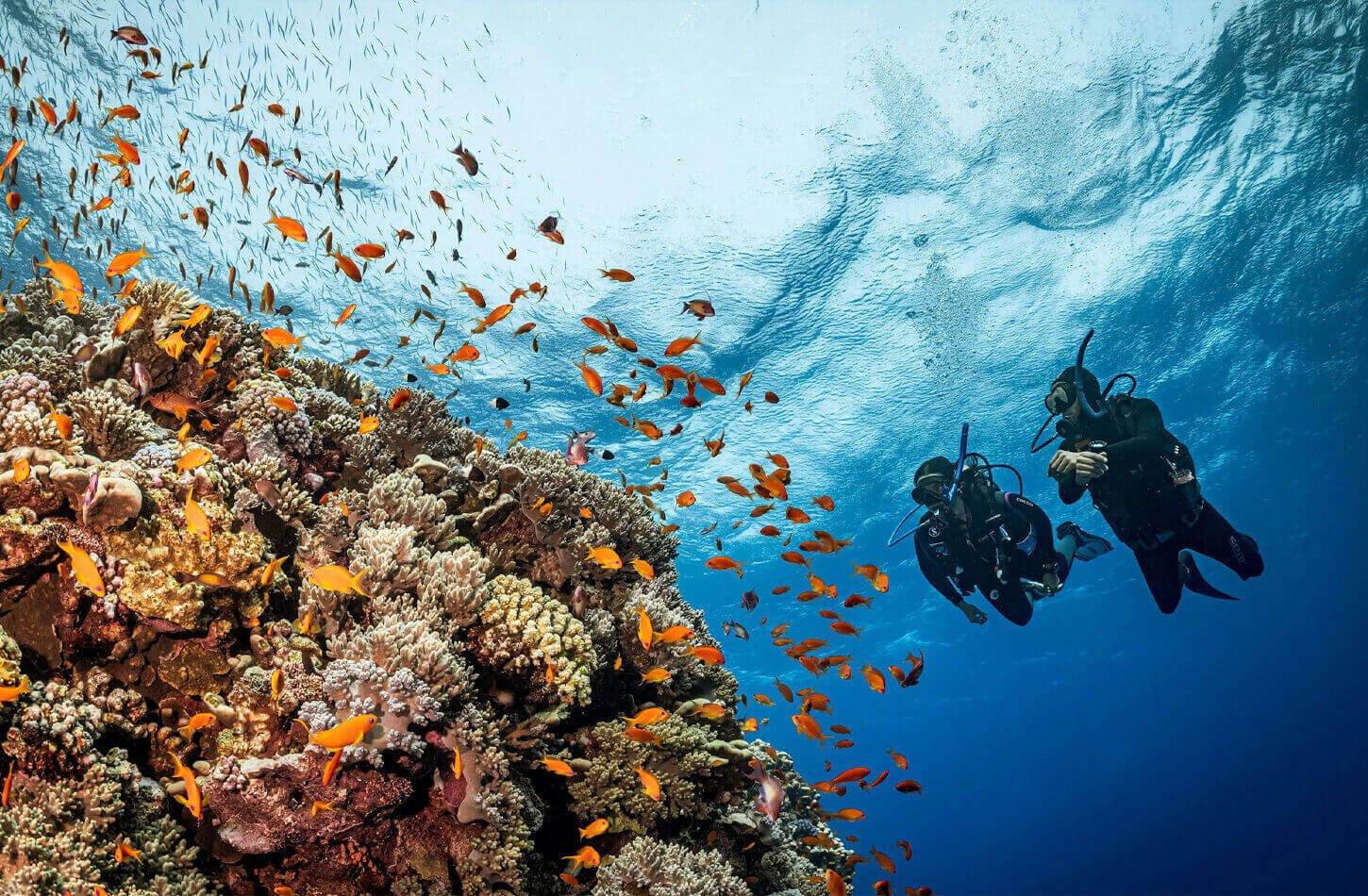
Ras Mohamed Snorkeling: No Certification Needed
Not every visitor wants to go scuba diving, and Ras Mohamed snorkeling options are genuinely excellent — you do not need a dive certification, and you do not need a guide to snorkel in the designated shore areas.
Shore Snorkeling Without a Guide
The park has designated snorkeling entry points on the eastern (Gulf of Aqaba) side of the peninsula. The reef begins just a few metres from the shoreline, and depths of 1–5 m put you directly above living coral and shoals of reef fish. Species you can expect to see without going deeper than chest height include parrotfish, pufferfish, triggerfish, sergeant majors, and the ever-present clownfish in their anemones. Bring your own mask, fins, and snorkel — gear rental is available in Sharm El-Sheikh but is limited inside the park itself.
Guided Snorkeling Boat Trips
The majority of visitors to Ras Mohamed snorkeling sites reach them by boat from the Sharm marina. A typical guided day trip (5–7 hours) includes two or three snorkeling stops — usually Shark Bay or Anemone City — plus time at White Island, a sandbank that appears at low tide with extraordinarily clear water all around it. These tours include a certified guide who will brief you on reef etiquette and point out marine life you might otherwise miss. Snorkel gear is generally included or available as an upgrade.
Magic Lake & Mangrove Channel
For families with very young children or non-swimmers, the Magic Lake (also called the Hidden Lake or Salt Lake) is a fascinating terrestrial attraction within the park. The lake’s salt concentration is high enough to allow easy floating, similar to the Dead Sea experience. The adjacent Mangrove Channel provides a peaceful walk or paddle through stands of saltwater mangrove trees — a rare ecosystem in this part of the Sinai that shelters juvenile fish and nesting birds.
Best Time to Visit Ras Mohamed Nature Reserve: Month-by-Month
The park is open year-round, but the experience varies significantly by season. Water temperature in the Red Sea at this location ranges from around 22°C in winter to 29°C in summer.
| Month | Air Temp | Water Temp | Conditions | Verdict |
|---|---|---|---|---|
| January | 18–22°C | 22°C | Clear, calm | Good — cooler but excellent visibility |
| February | 19–23°C | 21°C | Very calm | Good — quieter crowds |
| March | 22–26°C | 22°C | Calm, clear | Excellent — spring begins |
| April | 25–30°C | 23°C | Ideal | Peak season — best all-round |
| May | 28–33°C | 25°C | Warm | Excellent — before summer heat |
| June | 31–36°C | 27°C | Hot | Good — strong underwater visibility |
| July | 33–38°C | 28°C | Very hot | Underwater great; surface demanding |
| August | 33–38°C | 29°C | Very hot | Underwater great; surface demanding |
| September | 30–35°C | 28°C | Warm | Excellent — heat easing, sea warm |
| October | 27–31°C | 26°C | Pleasant | Peak season — ideal conditions |
| November | 23–27°C | 25°C | Comfortable | Excellent — quiet crowds |
| December | 19–23°C | 23°C | Mild | Good — bring a light wetsuit |
Best months overall: April, May, October, and November deliver the optimal combination of comfortable air temperatures (25–30°C), warm water (23–26°C), minimal wind, and strong underwater visibility. These months also avoid the extreme summer heat (July–August) that makes surface intervals uncomfortable. Winter (December–February) is perfectly viable, especially for divers, and the park is noticeably quieter — but a 3mm wetsuit is recommended.
💡 Nada’s Tip: October and November are the sweet spot — peak-season conditions without peak-season crowds. If you’re combining Ras Mohamed with Cairo or Luxor, these months work perfectly for the full Egypt itinerary. Browse Sharm El Sheikh Tours to check availability for your travel window.
How to Get to Ras Mohamed from Sharm El-Sheik: Boat vs Land
Ras Mohamed National Park is approximately 25–30 km southwest of Sharm El-Sheik city center. There are two distinct ways to get there, and the right choice depends on what you plan to do.
By Boat (Recommended for Divers & Snorkelers)
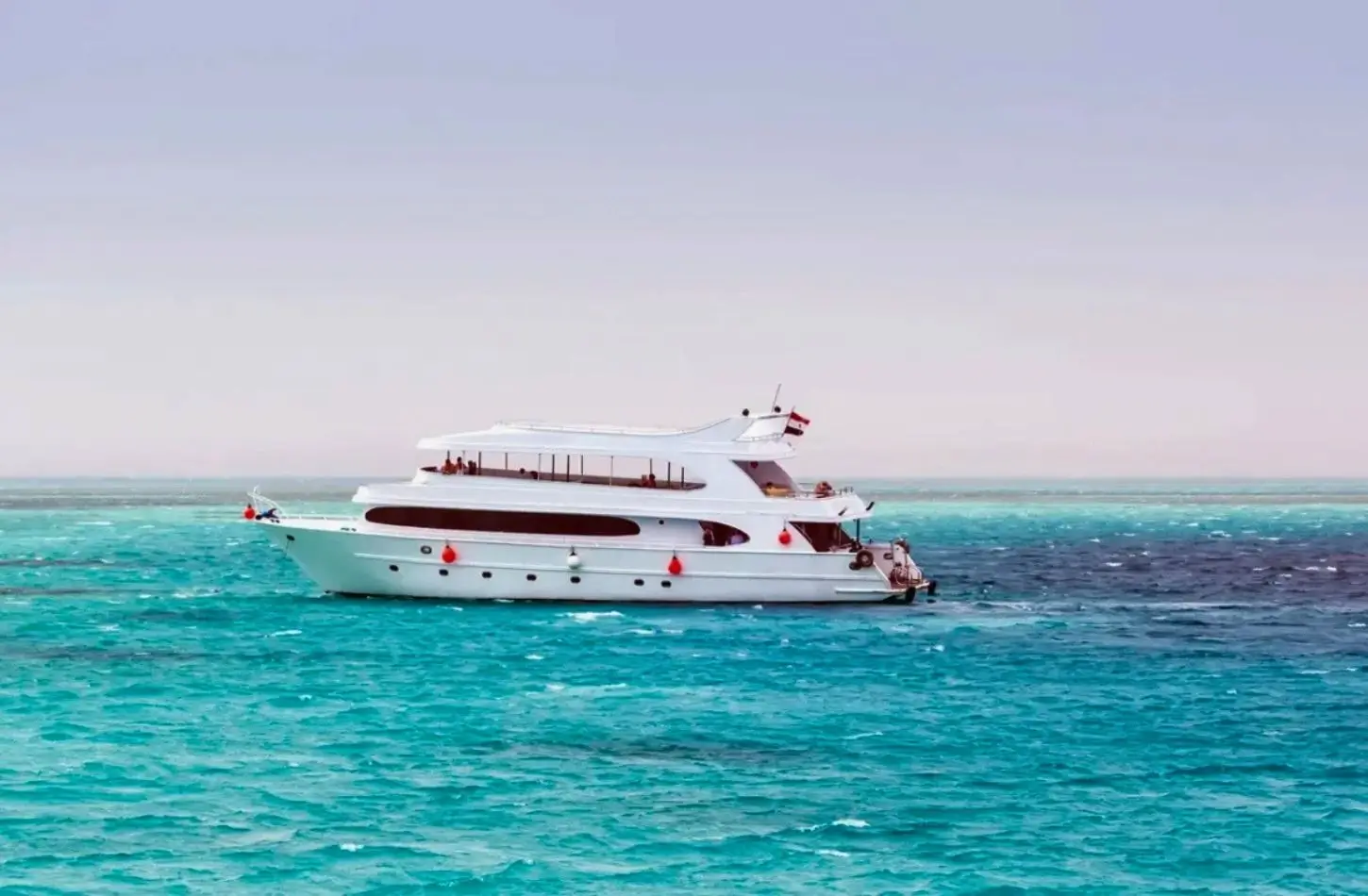
The vast majority of visitors traveling to Sharm El-Sheik for diving or snorkeling reach the dive sites by boat. Day-trip boats and liveaboards depart from Sharm El-Sheik Old Harbor (Sharm El Maya) or the newer marina from approximately 8:00–9:00 AM. Journey time to Shark Reef or Yolanda is typically 30–45 minutes by motorized day boat. A full-day trip runs around 7–8 hours, returning in the late afternoon.
Advantages of going by boat: direct access to the offshore dive walls (Shark Reef and Yolanda are not reachable from land), lunch typically included, multiple snorkeling/dive stops in one day. Most tours include the park entry fee in their price — confirm this before booking.
By Land (Recommended for the Park Interior)
The overland route takes you through the main entrance gate, where you pay entry fees, before accessing the terrestrial highlights: Allah’s Gate (the iconic Arabic-script entrance arch), the Earthquake Crack (dramatic geological formations from seismic activity), the Mangrove Channel, and the Magic Lake. By private taxi or minibus from Sharm El-Sheikh, the drive takes 30–45 minutes. Organized land tours from Sharm hotels are common and cost-effective.
Some visitors combine both: take a morning boat trip to Shark Reef and Yolanda, then return to shore and drive into the park to see the Magic Lake and mangroves in the afternoon.
Getting there from further afield: From Dahab, the drive is approximately 2 hours. From Cairo, Sharm El-Sheikh is a 1-hour flight — explore our Egypt Travel Packages if you want to combine Ras Mohamed with a Cairo Tours itinerary, a Nile Cruise, or Luxor Tours.
What to Bring — and What to Leave Behind (Eco Rules)
Ras Mohamed is a strictly protected reserve, and the rules exist because they work: the coral here is in dramatically better condition than unprotected reefs in the region. Knowing what to pack — and what is prohibited — makes your visit smoother and keeps the reef healthy for the next visitor.
Bring With You
- Cash in Egyptian pounds or USD for entry fees — no ATMs or card readers at the gate
- Reef-safe sunscreen only — chemical sunscreens containing oxybenzone or octinoxate are prohibited inside the marine reserve, and damage coral; mineral-based (zinc oxide, titanium dioxide) sunscreens are the alternative
- Snorkeling gear, if you have it — basic sets are available to rent in Sharm El-Sheikh before departure
- Water shoes — the shoreline entry points have rocky sections, and sea urchins are present
- Sun hat, lightweight long sleeves, and sunglasses — shade is limited, and UV intensity is extreme
- At least 2 litres of water per person — the park interior in summer is very hot; facilities are limited
- Waterproof camera or phone case — the underwater visibility makes photography rewarding
- A light wetsuit (3mm) is recommended for visiting from November through February
Leave Behind — Items Prohibited in the Park
- Sunscreen with chemical UV filters (oxybenzone, octinoxate)
- Single-use plastic bags — strictly prohibited; bring a reusable bag for rubbish
- Fishing equipment of any kind
- Spearguns or any collecting equipment
- Drones without a valid government permit
- Dogs or other pets — not permitted anywhere in the reserve
- Any natural material — shells, coral fragments, sand, and rocks must not be removed
- Feeding fish or touching coral — prohibited and enforced by park rangers
Frequently Asked Questions About Ras Mohamed
How much is the entry fee for Ras Mohamed in 2026?
As of mid-2026, the entry fee for non-Egyptian adults is $15 USD per person for a day visit (or approximately 750 EGP at current exchange rates), with a 24-hour camping/overnight rate of $30 USD. Egyptian nationals pay 100 EGP for a one-day visit. Children under 7 enter free. An additional environmental surcharge of around 10 EGP per person applies. All fees are cash only at the main gate. If you are booking a guided boat tour from Sharm El-Sheikh, check whether park entry is included — many operators bundle it into their package price.
Can I snorkel at Ras Mohamed without a guide?
Yes. Independent snorkeling is permitted from the designated shore entry points on the eastern side of the peninsula — no guide required and no special certification needed. You can enter and explore the shallow reef areas on your own after paying the park entry fee at the main gate. However, to reach the best sites (Shark Reef, Yolanda, Anemone City, and White Island), you will need to go by boat — shore entry does not give access to the open-water walls. For boat access, joining a guided group tour or booking a private charter from Sharm El-Sheikh is the practical option.
What is the best month to visit Ras Mohamed?
April, May, October, and November are the optimal months. During this period, air temperatures sit between 25–30°C, sea water ranges from 23–26°C, wind is generally light, and underwater visibility can reach 30+ metres. These months also avoid the extreme summer heat of July and August (when air temperatures regularly exceed 35°C) and the slightly cooler water of January and February. If you are primarily a diver or snorkeler and don’t mind the heat, June and September are also very good — the water is warm, and visibility is excellent.
Are there sharks at Ras Mohamed?
Yes, and they are one of the main attractions. White-tip reef sharks are commonly sighted along the deep walls of Shark Reef, particularly in the early morning. Grey reef sharks appear less predictably. Whale sharks — the largest fish in the ocean — are occasionally spotted in the open water off the park, especially in spring. These are wild reef sharks in their natural habitat: they are not aggressive toward divers or snorkelers who maintain a respectful distance and do not harass them. Incidents are extremely rare. The park’s name, “Shark Reef,” is an honest description, not a warning.
How long does a Ras Mohamed boat trip take?
A standard day trip from Sharm El-Sheikh runs approximately 7–8 hours from marina departure to return. The boat ride to the dive/snorkel sites takes 30–45 minutes each way. Most day trips include two or three underwater stops (total time in the water: 2–3 hours for snorkelers, 3–4 hours for divers), plus lunch on board and a stop at White Island sandbank. Departure is typically 8:00–9:00 AM, with return to Sharm by 4:00–5:00 PM. Private speedboat charters can cover the same ground in a shorter window — around 5–6 hours total.
Plan Your Ras Mohamed Nature Reserve Visit with Tripianto
Ras Mohamed nature reserve is one of the genuine wonders of the natural world — a place where desert rock meets an underwater kingdom of staggering colour and scale. Whether you are a certified diver aiming for Shark Reef at dawn, a family snorkeling the shallow gardens at Anemone City, or a curious traveller walking the Mangrove Channel and floating in the Magic Lake, the park delivers.
Ready to book? Our Sharm El-Sheikh Tours page has current day-trip options to Ras Mohamed. For a broader Egypt itinerary that combines this Red Sea nature reserve with the Nile Valley, explore our Egypt Travel Packages, including Family Tours, Honeymoon Tours, and Tailor-Made Tours designed around your schedule and interests.
