



published : July 2026
Quick Answer
Is September a good time to visit Egypt?
Yes. It’s hot, but there are fewer crowds and lower prices. It’s best for Cairo, Alexandria and the Red Sea.
Do sightseeing early morning or late afternoon.
Choose the Red Sea (Hurghada, Sharm) for swimming and diving.
In Luxor and Aswan, plan indoor breaks at midday.
Pack light cotton clothes, a hat and sunscreen.
So let me answer it properly, from someone who’s actually here to see what September looks like in practice: it’s one of the smartest, most underrated months to visit Egypt. Not the coolest month, and not the cheapest either — but a genuine sweet spot between the two, if you know what to expect and how to plan around it. That’s exactly what I want to walk you through.
What’s the Weather Really Like in Egypt in September?
Let’s start with the honest picture, because I’d rather set the right expectations than sell you a fantasy. Egypt weather in September is a genuine transition month. The brutal peak of summer is behind us — by early September, Cairo’s daytime highs typically settle into the low-to-mid 30s°C (around 90–95°F), down from the 38–40°C we see in July and August. By the back half of the month, you’ll often feel a noticeable difference in the mornings and evenings, especially along the Nile.
Upper Egypt — Luxor and Aswan — stays warmer for longer, since that region holds heat well into autumn. Daytime temperatures there can still touch the high 30s°C early in the month, but the humidity is low, and the dry desert air makes it far more bearable than the same number would suggest in a humid climate. By late September, evenings in Luxor and Aswan turn genuinely pleasant, which is exactly when I tell clients to plan their Nile-side dinners and rooftop evenings.
Alexandria and the Red Sea coast, meanwhile, are still in their sweet spot in September — warm enough for swimming, with sea breezes that take the edge off the heat. If you’re picturing Egypt in September temperature purely through a “desert heatwave” lens, you’re missing half the story. The coast is still glowing.
Is September Considered High or Low Season in Egypt?
Technically, September sits in what we in the industry call Egypt’s shoulder season — the bridge between the quiet, scorching summer months and the busy winter high season that kicks off properly in October and runs through March. It’s neither the cheapest month of the year (that’s usually July–August) nor the most expensive (that’s December–February), which is precisely what makes it interesting.
From my seat, shoulder season is where the real value lives. Hotels and cruise operators are still running softer, off-peak-adjacent pricing, but the worst of the summer heat has already broken. You get a window — usually mid-to-late September — where the weather has cooled meaningfully but the winter crowds and winter prices haven’t arrived yet.
I’ll be direct about the trade-off: if you want guaranteed cool, jacket-at-night weather, September isn’t that. But if you want a genuinely comfortable trip with fewer people around and a noticeably lighter price tag than booking the same itinerary in December, this is your month. I always tell UK and US travelers planning ahead: don’t wait until the “obvious” months to lock in your Egypt in September holiday deals — by the time October hits, prices start climbing steadily toward the winter peak.
Crowd Levels: What to Expect at the Pyramids, Luxor, and Aswan
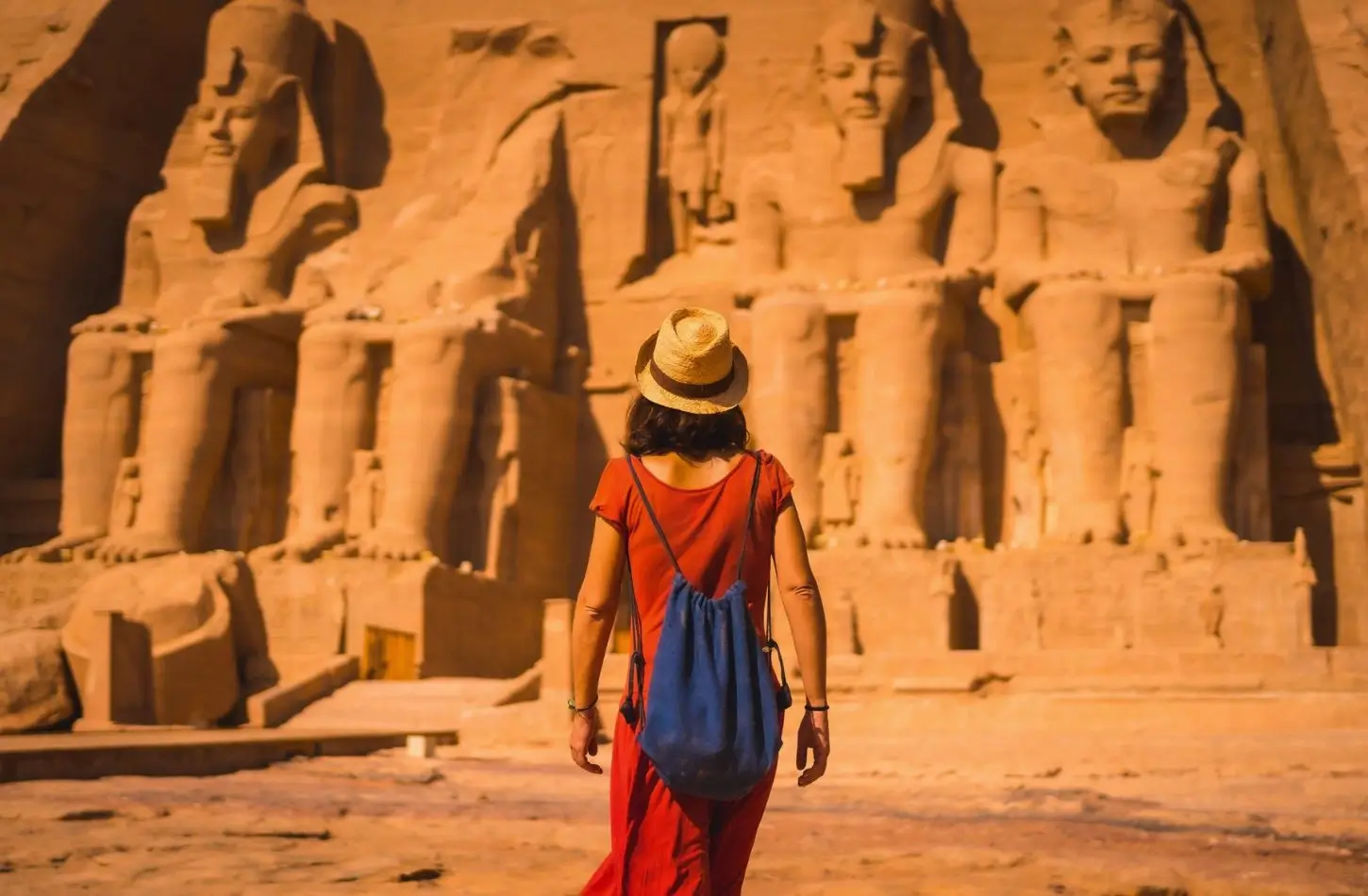
This is the part that surprises first-time visitors the most. Egypt travel September crowds are dramatically lighter than what you’ll encounter from November through February. I’ve stood at the Giza Plateau in September at 9 am with maybe a fraction of the tour buses you’d see in peak January — and that changes the entire feel of the visit.
At Karnak Temple and Luxor Temple, September mornings are genuinely peaceful. You can actually stand in front of the hypostyle hall’s towering columns — built primarily under Seti I and Ramesses II over 3,000 years ago — without a wall of tour groups behind you, which makes it far easier to actually take in the scale of what you’re looking at. In Aswan, the Philae Temple boat crossing is quieter too, and I’ve had clients get near-private moments at the Temple of Isis that simply aren’t possible in peak season.
Are there fewer tourists in Egypt in September overall? Yes — meaningfully. It’s still an active month, especially compared to the deep summer lull, but you’re not competing with the winter surge of European and North American holidaymakers. For photographers, history lovers, and anyone who finds crowds exhausting, this alone can be worth planning your whole trip around.
Nile Cruises in September: Worth Booking Now?
A Nile cruise in September is one of my favorite recommendations this time of year, and I say that as someone who books these itineraries constantly. Cruise operators are ramping capacity back up after the summer slowdown, which means you’ll find strong availability and often better cabin selection than you will once winter bookings flood in.
The classic Luxor-to-Aswan (or reverse) route in September gives you warm, dry days for temple visits and increasingly comfortable evenings on deck as the month progresses — that golden late-afternoon light on the Nile in September is something I never get tired of. If you’re deciding between a standard cruise and something more elevated, I’d point you toward our Nile cruise itineraries to compare the standard fleet against a more elevated experience — for travelers wanting extra space and service, our luxury Nile cruise options tend to book up fastest for this exact shoulder-season window, precisely because savvy travelers already know what I’m telling you.
Is September a good month for a Nile cruise? In my professional opinion, yes — with one caveat. Choose a cruise with well-ventilated outdoor deck space, and plan your Kom Ombo and Edfu excursions for early morning or late afternoon, when the temperature is most comfortable for the open-air temple visits.
Prices in September: Are Tours and Hotels Cheaper Than Winter?
Here’s the financial case, plainly stated. Egypt in September pricing sits meaningfully below the December–February peak. Nile cruise cabins, five-star Cairo hotels, and even private guide rates tend to run 15–30% lower than the same product booked for winter travel, based on what I see quoted through our own booking system year after year.
This is exactly the kind of Egypt September holidays deals window that UK, US, and Australian travelers, in particular, should be watching. UK searches for winter-sun Egypt content typically spike from September through November — which means if you’re one of the early planners in that group, September itself is often your best value entry point before demand (and price) climbs. I regularly build custom itineraries for our UK travelers this month specifically because the value math works so well before the winter rush sets in, and I see the same pattern with clients booking Egypt tours from the USA who are planning ahead for a winter escape.
The caveat, as always: book your flights and cruise cabins with a bit of lead time. September isn’t empty — Gulf and regional travelers are still active, and popular Nile cruise sailings can fill certain cabin categories even in shoulder season.
Best Places to Visit in Egypt This September
If I’m designing a September itinerary from scratch, here’s where I steer clients. Cairo and Giza first — the Pyramids, the Sphinx, and the Grand Egyptian Museum are all comfortably doable with an early start and a midday break. Luxor comes next, ideally combined into a Nile cruise so you’re not doing long overland transfers in the remaining heat.
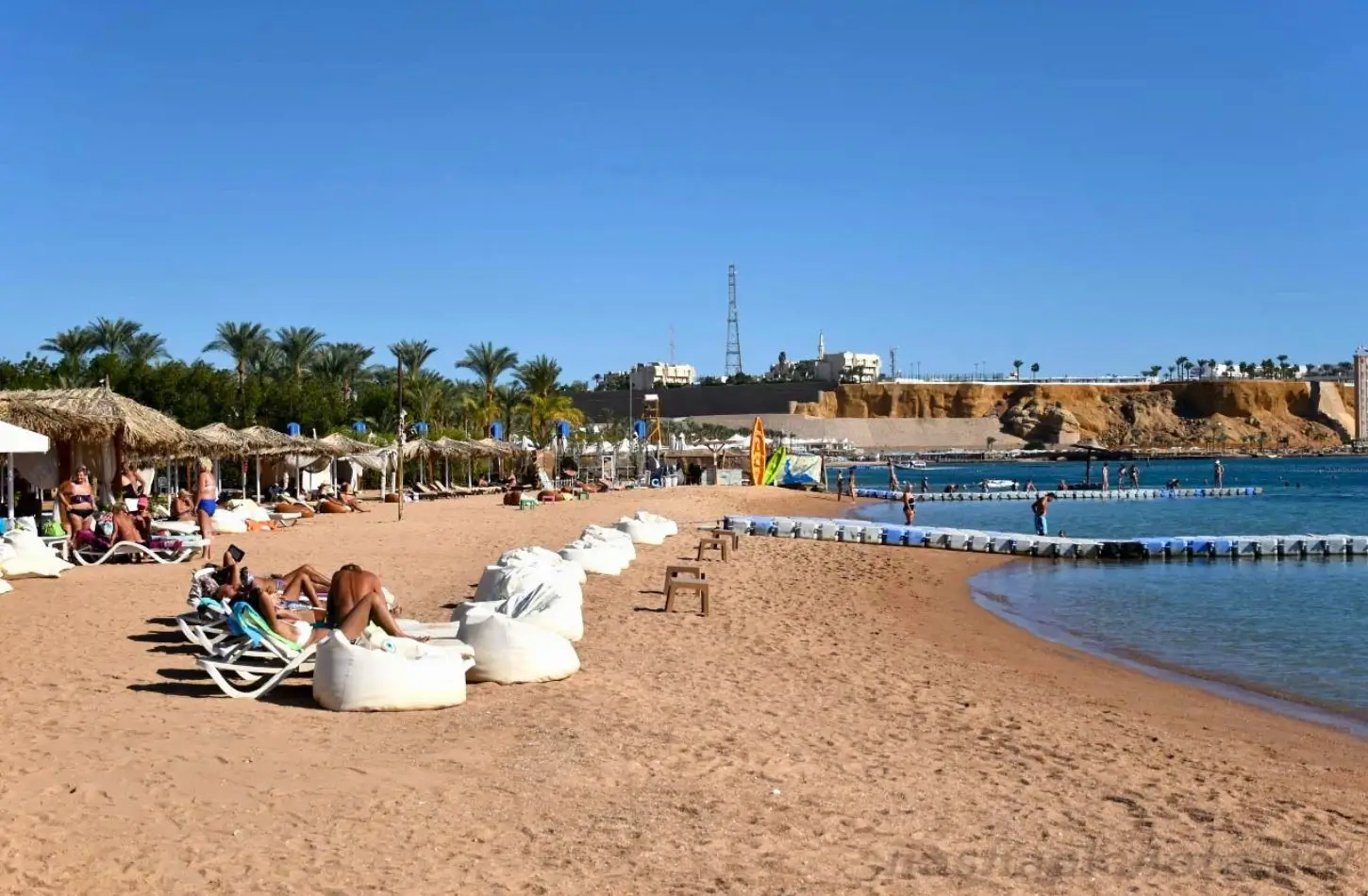
Aswan, further south, rewards you with the Aswan High Dam, Philae Temple, and — if you have the extra day — a side trip to Abu Simbel, which I consider one of the most awe-inspiring sights in the country regardless of season. For travelers wanting a coastal break bookending their cultural tour, Alexandria and the Red Sea resorts around Hurghada and Sharm El Sheikh are still in excellent form in September, with warm water and manageable heat.
One honest local tip: September is also a smart month to fit in sites that are miserable in peak summer heat but still crowded in winter — like a full, unhurried walk through Karnak’s open courts, which I’d genuinely avoid doing under a January midday crowd crush but happily recommend in September’s gentler light.
What to Pack for Egypt in September
Packing for this month is its own small art. Lightweight, breathable fabrics are still your foundation — think linen and cotton over synthetic blends, which trap heat. I always tell clients to bring one light layer for evenings, especially if you’re heading south to Aswan and Luxor, where night temperatures dip more noticeably as September progresses.
Sun protection is non-negotiable: a wide-brimmed hat, high-SPF sunscreen, and sunglasses rated for genuine desert glare, not just casual sun. Comfortable, closed walking shoes matter more than sandals once you’re navigating temple complexes and uneven ancient stone. If you’re visiting mosques or more conservative sites, pack at least one modest outfit — shoulders and knees covered — out of respect for local customs.
For a full breakdown tailored specifically to what you’ll need day-by-day, I’d point you toward our detailed packing guide, which covers exactly this kind of seasonal nuance in far more depth than I can fit here.
September vs. October vs. December: Which Month Should You Choose?
This is the comparison I have the most often, so let me lay it out plainly. September gives you the best value and the thinnest crowds, at the cost of warmer daytime temperatures, particularly in Upper Egypt. If you’ve already read our Egypt in October guide, you’ll know that October cools things down further while crowds are still relatively manageable — a nice middle ground.
By the time you reach our Egypt in December guide, you’re looking at the most comfortable sightseeing weather of the year, but also the highest prices and the thickest crowds at every major site, since December through February is genuine peak season for UK, US, and European travelers escaping winter at home.
My honest advice: if budget and solitude matter most to you, September wins outright. If you want the most temperate weather and don’t mind paying more and sharing the Pyramids with more people, December is your month. October, for many of my clients, ends up being the practical compromise between the two.
Frequently Asked Questions About Visiting Egypt in September
Is Egypt too hot to visit in September?
Not for most travelers, though it depends on your heat tolerance. Cairo typically sees daytime highs in the low-to-mid 30s°C, cooling further by late September, while Luxor and Aswan run a few degrees warmer. With an early-start itinerary and midday breaks, September heat is manageable — and noticeably milder than July or August.
What should I pack for Egypt in September?
Pack lightweight, breathable clothing (linen and cotton), a wide-brimmed hat, high-SPF sunscreen, sturdy walking shoes, and one modest outfit for religious sites. Bring a light layer for cooler evenings, especially further south in Luxor and Aswan as the month progresses.
Is September a good month for a Nile cruise?
Yes. Cruise operators ramp availability back up in September after the summer lull, cabin selection is strong, and daytime temple visits paired with pleasant evening deck time make for a comfortable itinerary — provided you schedule outdoor excursions for cooler parts of the day.
Are there fewer tourists in Egypt in September?
Significantly fewer than the November–February peak. Major sites like the Pyramids, Karnak, and Philae Temple feel noticeably calmer, giving you more space and a more personal experience at Egypt’s most iconic landmarks.
Is Egypt cheaper to visit in September than in winter?
Generally, yes — hotel rates, Nile cruise cabins, and private tour pricing tend to run 15–30% below the December–February peak. September sits in shoulder season, offering strong value before winter demand pushes prices up from October onward.
