


Last verified: June 2026
Quick Answer
❓ Is Alexandria, Egypt worth visiting & what can you see there?
Yes — Alexandria is Egypt’s Mediterranean gem, founded by Alexander the Great in 331 BC. It blends ancient history, coastal charm, fresh seafood, and world-class museums just 2.5 hrs from Cairo.
🏛️ Top 5 must-see spots
Bibliotheca Alexandrina, Citadel of Qaitbay, Catacombs of Kom el Shoqafa, Stanley Bridge & Montaza Palace Gardens — all walkable or a short taxi ride apart.
🌊 Best time to visit is March–May & Sept–Nov
mild Mediterranean weather, clear sea views, uncrowded sights & perfect conditions for long Corniche walks.
🚆 Easiest way from Cairo is by Express or VIP train
2.5 hrs, tickets from $5–$15; book at least 3 days ahead as weekend seats sell out fast.
📅 2–3 days is the ideal stay
Day 1: Bibliotheca + Corniche dinner. Day 2: Citadel + Catacombs + Stanley Bridge sunset. Day 3: Montaza Gardens + Royal Jewelry Museum.
This Alexandria travel guide covers everything you need to plan your trip — top sights, a 2-day itinerary, hotels, transport, and safety advice. Unlike Cairo, Alexandria trades desert heat for sea breezes, a sweeping Corniche, and 2,000 years of Greco-Roman history packed into a walkable city. Whether you have a day Cairo tour or a long weekend to explore, this guide provides practical details to make the most of every hour.
➜Ready to explore? Browse our Alexandria day tours or read on for the full guide.
Key Takeaways
- Plan days around clusters: Bibliotheca, the citadel site, and the catacombs.
- Use Corniche routes to link sights and catch sea breezes.
- Choose stays for either sea views or downtown convenience.
- Try family-friendly spots like the ALEXploratorium and Montaza Gardens.
- Bring maps and simple ticket tips to skip delays and save time.
Why Alexandria belongs on your list right now
If you want history with a side of salt breeze, this coastal spot answers the call. The Mediterranean setting delivers wide water views and easy walks along the Corniche, where cafés and cultural stops sit within a short stroll of each other.
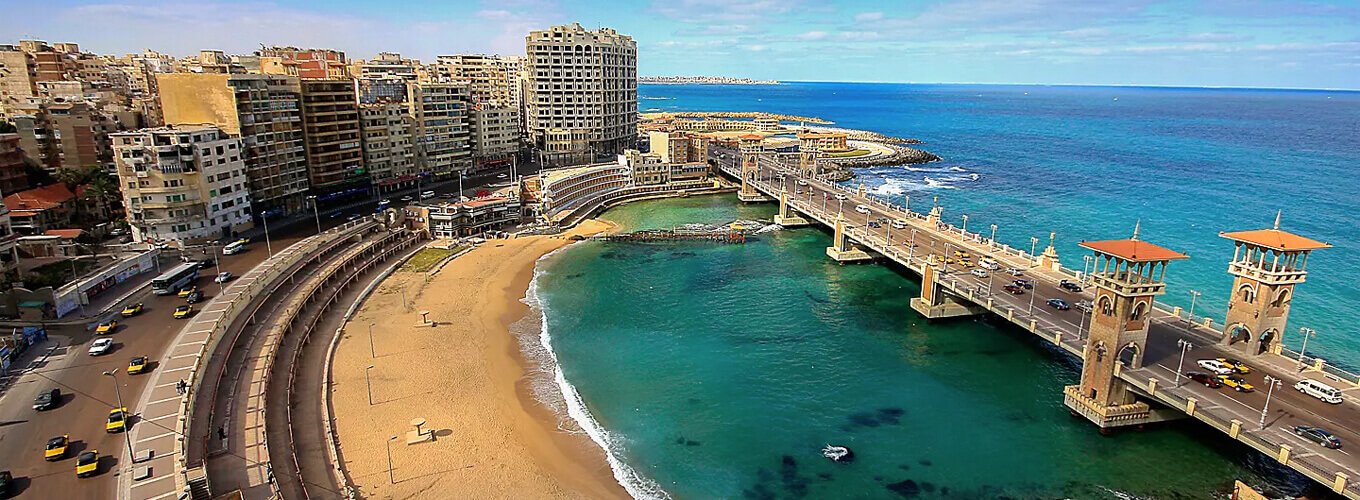
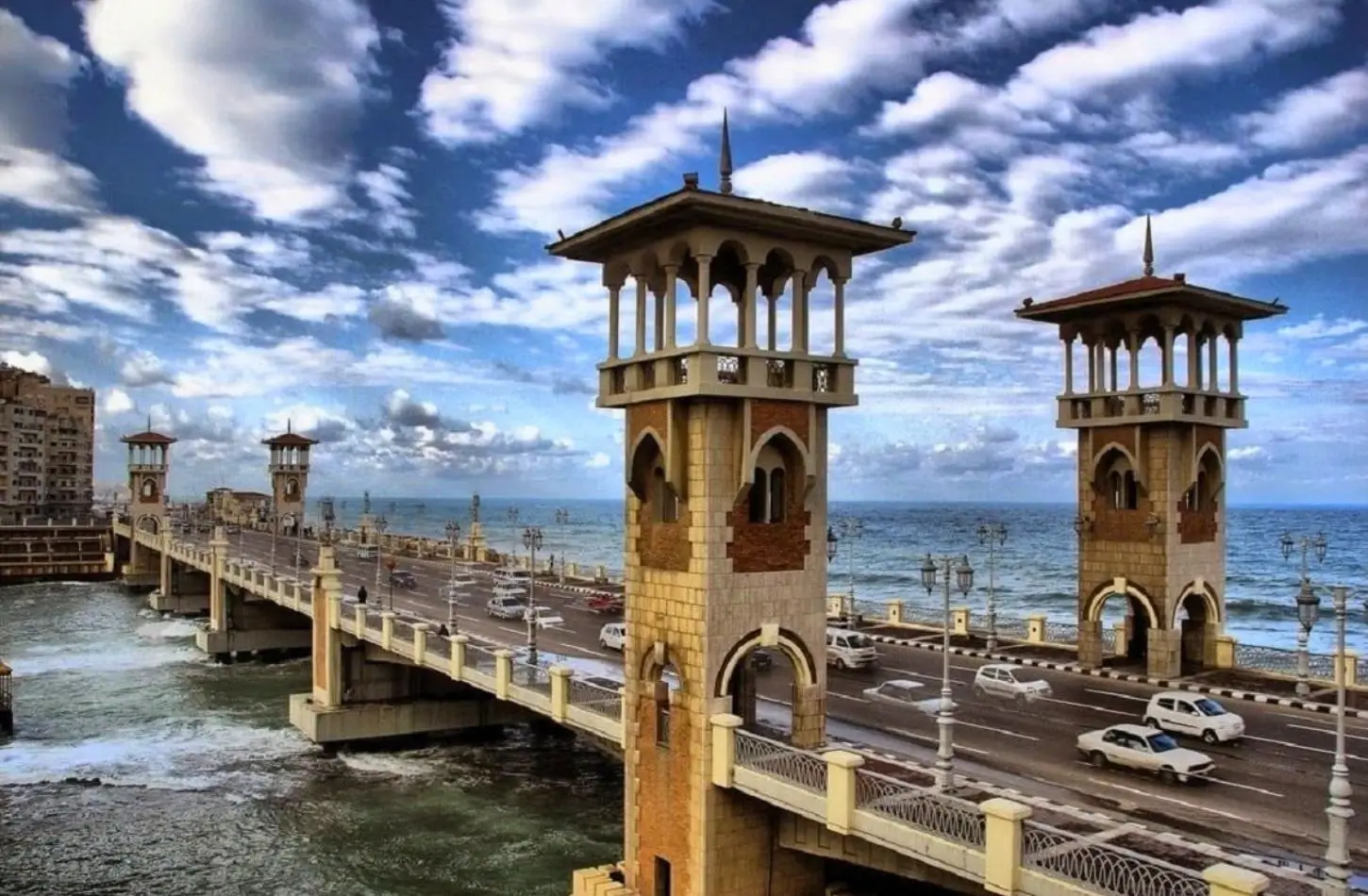
The Corniche strings sights together so you can savor the sea air between museums and cafés. A sunset stroll on Stanley Bridge feels cinematic: soft light, steady waves, and a calm city rhythm that suits a short stay.
Egypt plan.
Prices for entry and meals are generally modest, locals are welcoming, and ride-hailing is straightforward. Use this as inspiration to put the city on your list now — simple, memorable moments await by the Mediterranean Sea.
Where is Alexandria, Egypt?
Alexandria sits on Egypt’s Mediterranean coastline, roughly 220 km (137 miles) northwest of Cairo — about 2.5 hours by express train. It stretches along a narrow strip of land between the Mediterranean Sea to the north and Lake Mariout to the south, giving the city its distinctive coastal character.
Founded by Alexander the Great in 331 BCE, Alexandria served as Egypt’s capital for nearly a thousand years and remains the country’s second-largest city today, home to over 5 million people. The city spans approximately 32 km of Mediterranean shoreline, making it Egypt’s main window to the sea and its largest port.
Unlike Cairo’s desert sprawl, Alexandria feels unmistakably Mediterranean — cooler, saltier, and shaped by the water at every turn.
Quick facts:
- Distance from Cairo: 220 km — 2.5 hrs by express train
- Population: 5+ million
- Coastline: ~32 km along the Mediterranean
- Position: Northwestern Egypt, between the Mediterranean Sea and Lake Mariout
Essential history at a glance
The city’s founding set a long arc of power and learning along the Mediterranean. In 331 BCE, Alexander the Great created a strategic port that linked trade and ideas between continents.
From Alexander the Great to a cosmopolitan port
Through the Hellenistic and Roman eras, scholars and merchants flocked here. That mix turned the area into a hub of science, texts, and commerce, drawing minds from across the ancient world.
The ancient world’s legacy: Pharos lighthouse and the seven wonders lore
One famous marker was the Pharos lighthouse, long counted among the seven wonders. Today, the Citadel of Qaitbay, built in the 1480s, stands on that same promontory.
You’ll spot layers of history in compact sites: catacombs, temples, churches, and the medieval citadel that once defended this vital harbor. St. Mark’s Cathedral ties the story to the 1st century, anchoring the city’s early Christian roots.
Even with limited time, your visits will reveal how one coastline concentrated science, faith, and maritime power over many centuries—helping you see each landmark as part of a bigger narrative, not just isolated stops.
Alexandria travel guide
Get a quick, actionable layout that links the waterfront icons with inland history. Below you’ll find a compact planner, a simple map approach, and the practical tips you need to save time and energy on your trip.
How this ultimate guide is organized for your trip
One-glance planner: Best hours for sea breezes, modest ticket budgets, and neighborhood clusters for efficient days.
We group must-see things by nearby areas so you can walk a loop or take a short taxi hop when needed.
Quick planner: time, budget, neighborhoods, and must-sees
- Map strategy: Link the waterfront trio—library, citadel spot, and Stanley Bridge—to inland museums and catacombs in a clockwise loop.
- Practical tips: Expect base tickets plus add-on fees at the Bibliotheca, routine security scanning at major sites, and easy ride-hailing for short hops.
- Packing notes: sun protection, a light layer for sea breeze, and small cash for tickets and tips. Use our day-by-day prompts to choose how many days to stay and which stops to prioritize.
Best time to visit for sea breezes and clear views
Choose your timing wisely to catch crisp coastal light and avoid the sun’s midday glare. In spring and fall, you’ll find the clearest sea views and mild breezes—perfect for long Corniche walks and sunset photos.
Weekdays stay calmer at big sights, while the weekend brings local energy along the waterfront and bridges. Stanley Bridge is especially popular at sunset; arrive 20–30 minutes before golden hour to secure your favorite angle for the water and city views.
Summer heat can spike mid-day, so plan outdoor stops—citadel ramparts, Stanley Bridge, and gardens—early or late to dodge glare and fatigue. If your neighborhood has scheduled evening power cuts, charge devices, and time elevator use, plan dinner accordingly.
Sea air cools after dark; bring a light layer for waterside dining and night strolls. Shoulder seasons offer fresh inspiration for last-minute trips, with enough warmth for the coast without peak heat. This simple timing strategy helps travelers get the best conditions and avoid crowd fatigue.
Alexandria Egypt Vacation Planning Checklist
Planning your Alexandria Egypt vacation doesn’t have to be overwhelming. Follow this simple checklist to arrive prepared and make every day count.
Visa: Most nationalities get a visa on arrival or can apply online through Egypt’s e-visa portal before travel.
How many days: 2–3 days cover the essentials comfortably. Add a day if you want to explore Montaza Gardens and the eastern shore at a relaxed pace.
Budget breakdown:
- Flights + accommodation: varies by season
- Entry fees: $5–$15 per major site
- Food & transport: $20–$30 per day
- Train from Cairo: $5–$15 each way
Packing essentials: Light layers, sun protection, modest clothing for religious sites, and small cash for tickets.
📝Ahmed’s tip: Book your Cairo-to-Alexandria train at least 3 days ahead — VIP seats sell out fast on weekends.
Getting there and around the city
The smart way to move around blends trains, ride-hailing, and scenic walks along the water. Plan your arrival so the first few hours set a calm pace for the next few days.
Train options explained: Ordinary vs. Express, VIP, and Talgo
Choose Express, VIP, or Talgo for faster trips (about three hours) and reliable AC in both first and second class. Ordinary trains are the cheapest but can be slow and may lack AC.
What to expect onboard: AC, seating, and no Wi‑Fi
There is no onboard Wi‑Fi, so download a map, entertainment, and your tickets before you board or use a mobile hotspot. First‑class seats cost only a bit more and are wider; overhead racks fit large suitcases, and staff often help for a small tip.
Taxis, Uber, and walking the Corniche
Ride‑hailing apps work well and are usually the quickest way to hop between inland sights. Walk scenic portions of the Corniche to enjoy the port views, then take a car for long, sun‑exposed stretches.
Arrive early at busy stations and use the main exit for easier pickups; some side exits can feel chaotic. Note that some neighborhoods have scheduled evening power cuts—plan returns so you aren’t climbing many flights in the dark. These simple tips save you days of trial and error and keep your focus on the waterfront, museums, and port heritage.
Is Alexandria Worth a Day Trip from Cairo?
Yes — and it’s one of the most popular day trips in Egypt. The express train from Ramses Station takes under 2.5 hours each way, and a well-planned day can comfortably cover Qaitbay, the Bibliotheca, and the Corniche. Take the 7 am train, arrive by 9:30 am, and catch the 6 pm or 7 pm return service back to Cairo.
That said, one night in Alexandria changes the experience significantly. The evening Corniche, a sunset at Stanley Bridge, and a proper seafood dinner are all impossible on a rushed day trip. If your Egypt itinerary has any flexibility, the extra night is worth it.
Is Alexandria Safe to Visit?
Yes — Alexandria is one of Egypt’s safer cities for tourists, with a strong security presence around major attractions and a relaxed Mediterranean atmosphere compared to Cairo’s busier streets. Standard travel tips: use ride-hailing apps rather than unmarked taxis, keep valuables out of sight in crowded markets, and stick to well-lit areas after dark.
The waterfront Corniche, Bibliotheca Alexandrina, Qaitbay Citadel, and the major museums all sit in well-policed zones. Female travelers generally find Alexandria more comfortable than other Egyptian cities, though modest clothing is advised near mosques and local markets. The overall consensus from experienced Egypt travelers is that Alexandria rewards confident, aware visitors — and rarely disappoints.
📝Ahmed Emam’s tip: Avoid walking through residential back streets near Pompey’s Pillar after dark. Stick to the Corniche route between sights in the evening — it’s busy, well-lit, and perfectly safe.
Top things to do: the absolute musts
Begin with a handful of stops that show both coastal charm and the city’s layered past. This short list groups one-day winners so you can see big views, hands-on exhibits, and compact museums without rushing.
Bibliotheca Alexandrina: museums, tours, and the vast reading room
Bibliotheca Alexandrina requires a base ticket and small add-on fees for the Antiquities and Manuscripts Museums. Expect security screening and look for free English tours. The vast reading room is impressive, and kids enjoy the ALEXploratorium.
Citadel of Qaitbay: sea views where the lighthouse once stood
The 15th‑century fort sits on the site of the old Pharos. Entry is ticketed, and the ramparts give sweeping sea views tied to the seven wonders legend and lighthouse lore.
Catacombs, Montaza, museums, and sunset
Head early to Kom el Shoqafa to explore near‑empty passageways; the Serapeum is a short nearby stop. Montaza Palace Gardens mix tidy gardens with coastal paths—try a golf car or tea at King’s Tea Island.
The National Museum walks you through eras floor by floor. The Royal Jewelry Museum dazzles with royal jewels, 19th‑century art, and stained glass. The sunset at Stanley Bridge over the Mediterranean Sea for photos. Nearby casual restaurants serve seafood and quick food bites after a long day.
Roman Amphitheater and Pompey’s Pillar
Two sites close together make for a natural pairing on day two. The Roman Amphitheater at Kom el-Dikka is Egypt’s only intact Roman theatre, a horseshoe-shaped marble structure discovered in 1960 when workers were digging foundations for a government building. The Villa of the Birds next to it holds some of the finest mosaic floors in the country — genuinely worth the stop even if you’ve seen Roman ruins elsewhere.
A short walk away stands Pompey’s Pillar, a 27-meter pink granite column that has dominated this hilltop for over 1,600 years. Two sphinx statues flank it, and the panoramic views from the site give a useful sense of how the ancient city once spread across this ground. Entry to both sites is affordable, and neither draws the same crowds as Qaitbay or the Bibliotheca, so you’ll have space to explore at your own pace.
📝Ahmed’s Tip — Start early at the Catacombs. Most tourists arrive at Kom el Shoqafa after 10 am — get there at opening time, and you’ll have the underground passageways completely to yourself. It’s a completely different experience in the quiet.
Where to stay: hotels with city and sea views
Where you rest shapes how you feel each morning, so choose a base that matches your pace. Pick a place that balances easy access to museums with calm evenings by the water. For short stays, this decision sets how much you will fit into your days.
Luxury by the water: resort-style stays with pools and spa
For a luxe option, look for a waterfront hotel with both city and sea views, multiple pools, and a full-service spa. The Four Seasons Hotel Alexandria offers an infinity pool, several on-site restaurants, and a sunny indoor pool with a jacuzzi for year-round use.
The property’s separate beach area adds beachfront suites and villas, some with private pools, plus a large pool, a beach restaurant, and a kids’ play zone for family ease.
City-center convenience vs. beachfront relaxation
Choose central convenience if you want short walks to the library and museums. Pick beachfront calm if you value sunrise strolls and relaxed evenings by the sea.
If you have business on the calendar, consider a place that combines meeting spaces with quick Corniche access so you can still catch a sunset after work.
How to choose your area for a short stay
Families benefit from kids’ facilities and on-site dining to keep evenings simple. Ask for higher floors or specific room categories to maximize views and cut street noise.
Finally, book a place with reliable power backup and strong Wi‑Fi to stay comfortable during occasional local outages.
Eat and drink: seafood, street bites, and coffee
Dining along the Corniche mixes fresh catches, bold spices, and relaxed tables. Start your day with lively street stalls and end it at a sea-view dinner. The local food scene balances easy eats with memorable evenings.
Seafood with a view: mezze and pasta by the water
Begin with seafood mezze, grilled fish, or pasta served at a waterfront restaurant. Share plates so you can taste more and linger over the waves.
Classic Egyptian flavors: foul, falafel, and fresh bread
For breakfast, look for foul (stewed beans), falafel, fluffy omelets, and warm flat bread. These dishes are filling and bright in flavor.
Coffee culture and late-night sips along the Corniche
Plan coffee stops to break up long walks. Many cafés roast beans and serve pastries into the evening, making each place a calm pause.
Romantic date-night spots with live music
Reserve a prime table at a hotel or seaside spot for violin or soft live sets. Alcohol is limited in some venues, so expect low-key lounges. Keep cash for small cafés and tips.
Menus often blend local cuisine with Mediterranean notes, and sharing plates helps you taste the heart of the city.
Neighborhoods and areas to explore
Stroll along the waterfront, and you’ll find distinct neighborhoods that each show a different side of the city. Use this short overview to pick the area that fits your pace and plan a clear map for the day.
The Corniche: heart of the action and sea breezes
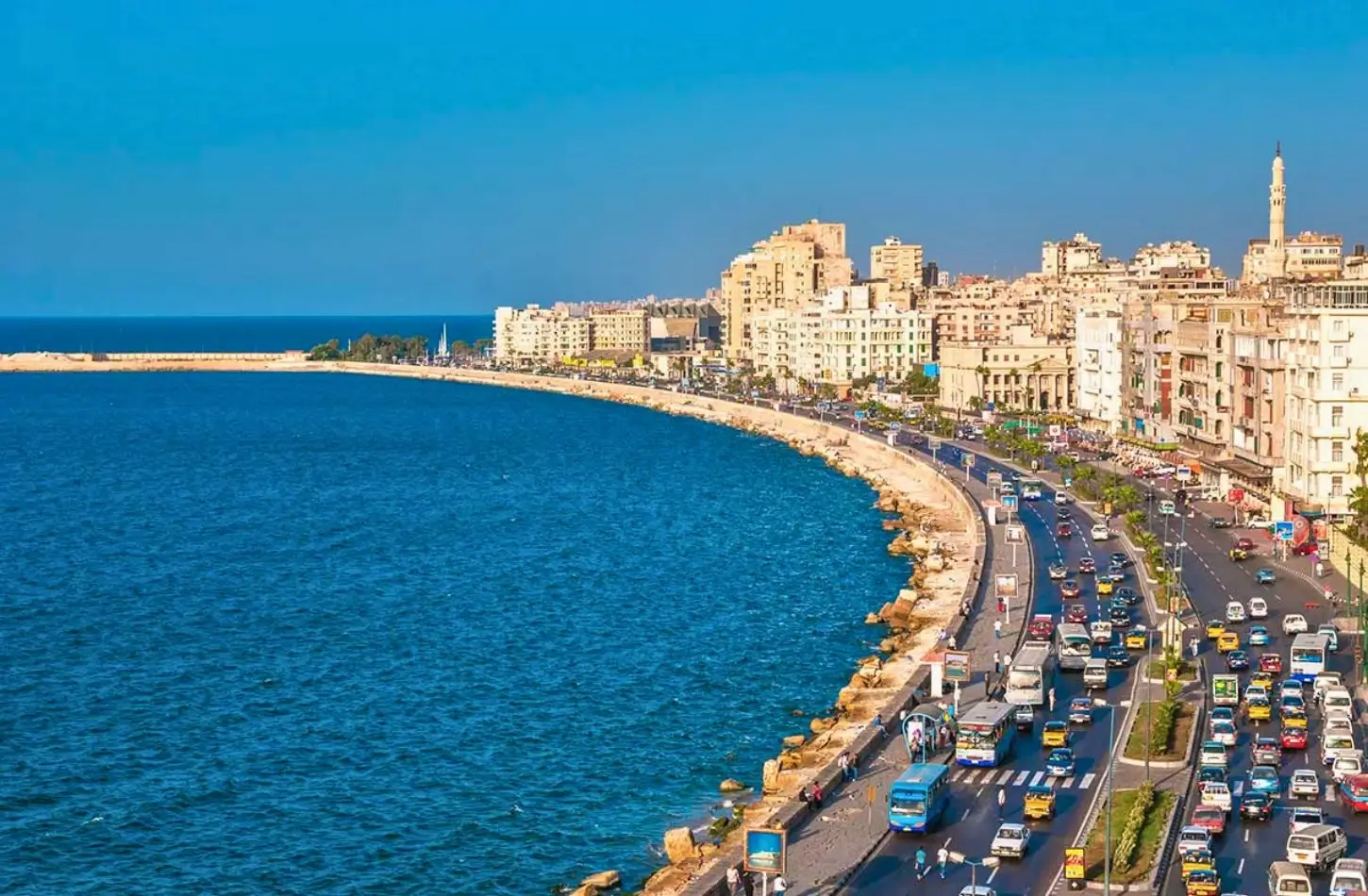
The Corniche is the heart of the action, where you’ll walk, sip coffee, and link big sights with constant sea air. Map your day to swing from the Bibliotheca to Stanley Bridge, then continue toward the citadel for a full waterfront arc.
Montaza & eastern shore: gardens and beach vibes
Montaza Palace gardens and the eastern shore deliver palm-lined paths and relaxed beach vibes far from downtown buzz. Golf cars with driver-guides help you cover ground if you’re short on time or with kids.
Small shops and snack stops cluster near promenades for quick bites between walks. Choose a place to stay near the segment you’ll visit most—central for museums, east for beaches and gardens.
Locals use these areas like an outdoor living room, a home by the water. The world feels smaller here as ships trace the horizon while city life carries on beside you.
2-Day Alexandria Itinerary: The Perfect Plan
Day 1 — The Waterfront and Ancient Library
Start at the Bibliotheca Alexandrina when it opens (9 am) to beat the tour groups. Allow 90 minutes for the main reading room, the Antiquities Museum, and a coffee on the terrace. From there, walk west along the Corniche to Qaitbay Citadel — 20 minutes on foot with sea views the whole way. Spend an hour on the ramparts, then take a short taxi to Abu Abbas al-Mursi Mosque for midday prayers (or simply to admire the exterior). End the day walking the evening Corniche as the light fades, with dinner at a seafood restaurant on the Eastern Harbor.
Day 2 — Roman History and Gardens
Head to Kom el-Shoqafa Catacombs at opening time (9 am) for the quiet experience. Pair it with the Roman Amphitheater and Pompey’s Pillar nearby — all three can be covered before lunch. After lunch, visit the Alexandria National Museum for a floor-by-floor overview of the city’s history, then the Royal Jewelry Museum for something genuinely surprising. Close the day at Montaza Palace Gardens, timing your arrival for late afternoon when the light and temperature are perfect for the coastal paths.
📝Ahmed Emam’s tip: Buy a combined ticket where available, and carry small cash — card machines at older archaeological sites are unreliable.
Traveling with kids
Plan family days that mix hands-on learning with easy outdoor play so everyone stays happy. A few simple choices make the city feel friendly for little ones and for parents looking to relax a bit.
Hands-on fun at the ALEXploratorium
The ALEXploratorium inside the Bibliotheca Alexandrina gives kids a hands-on science experience with experiments and interactive displays. It turns a museum visit into a memory they’ll ask to repeat.
Short visits here work best between outdoor stops. Exhibits are tactile and designed to hold attention, so you can trade short bursts of culture for fresh-air play.
Easy wins: parks, bridges, and beach play areas
Stroller-friendly walks along the Corniche and Montaza promenades keep movement low-stress and full of rest spots. Use golf cars with driver-guides in Montaza when little legs need a break or naps are on the clock.
Choose a hotel with beach access and a kids’ play area to simplify downtime—sand, shade, and snacks all in one place. Parents can sneak a quick coffee while kids explore safe, open spaces nearby.
Keep water, hats, and sunscreen handy; coastal breeze can mask strong sun. End evenings with a calm bridge walk that feels like a home-away-from-home routine and helps everyone wind down.
For history lovers: tracing wonders and faith
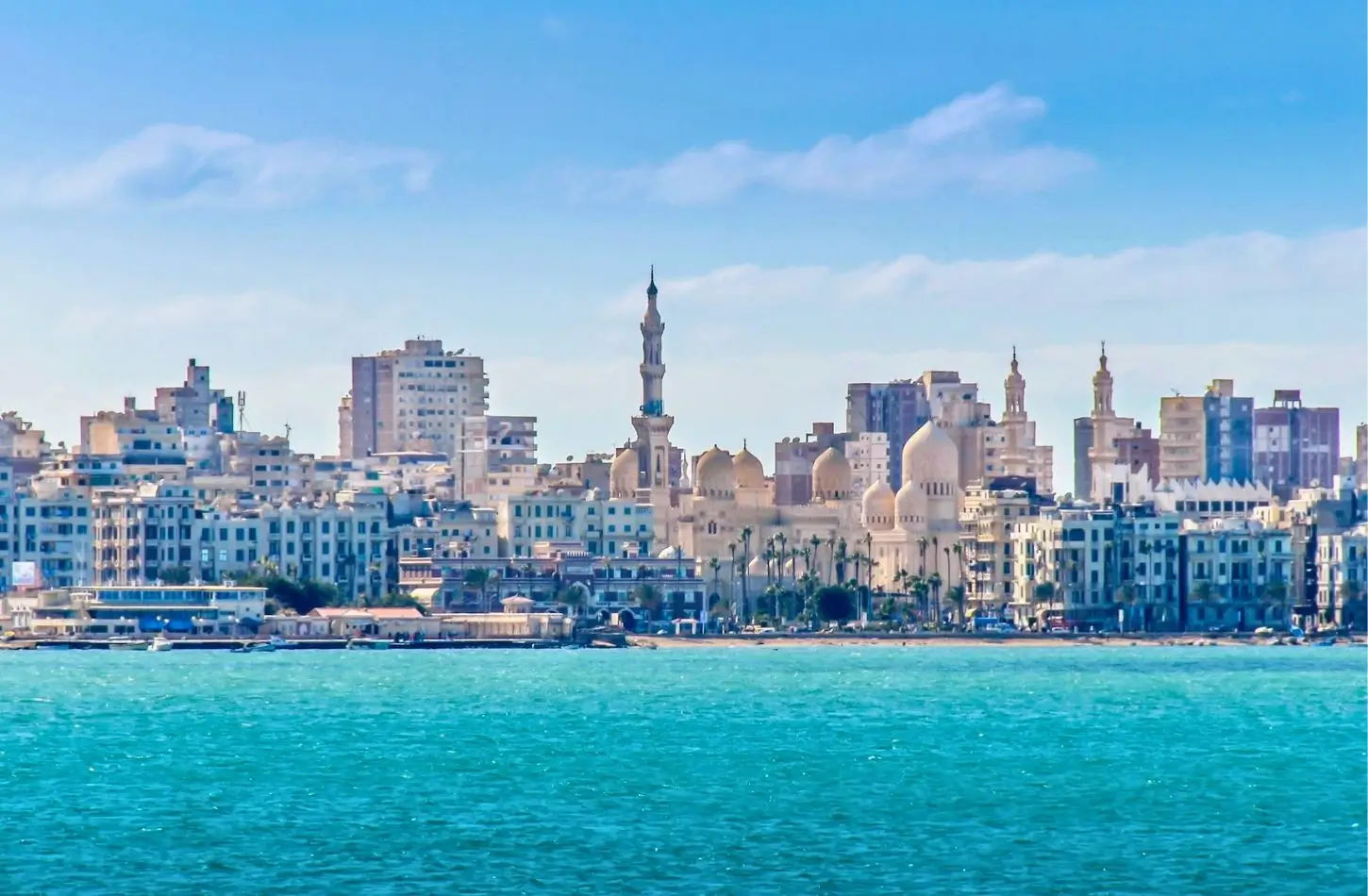
This short circuit offers a strong. Stand where the sea met empire and trace how monuments mark maritime power, early worship, and civic life. You’ll move from defensive walls to quiet sanctuaries in a single, walkable loop.
Hunting Pharos echoes at the citadel
Stand on the citadel ramparts and align your view with the old Pharos—once a famed lighthouse and one of the wonders tied to sea navigation. The 15th‑century fort sits on that promontory and echoes antiquity in its stone.
St. Mark’s Cathedral and early Christian sites
Visit St. Mark’s Cathedral to feel a link to a 1st‑century church and the city’s role in early Christianity. Add the Serapeum to see Greco‑Roman temple remains from the ancient world.The Catacombs of Kom el Shoqafa show 2nd‑century funerary art that blends Egyptian and classical motifs. Allow time to read onsite plaques; small details deepen the big-picture story.
- Stand on ramparts to imagine the Pharos line of sight.
- Pause at St. Mark’s to connect faith and place in Alexandria City.
- Add the Serapeum and catacombs for layers of the ancient world.
Start in the morning or late afternoon for cooler air and the best light. Bring a light layer and modest attire for sacred interiors.
Maps and routes: make the most of your time
A clear plan helps you link the coast and city museums without backtracking. Use simple maps and time blocks so each stop becomes a relaxed part of the day.
Linking sights along the waterfront
Follow a waterfront route that starts at the Bibliotheca, moves along the Corniche, pauses at Stanley Bridge, and finishes near the citadel area.
Mix walking with short ride-hails to save energy and keep daylight for views. Hotels along the Corniche make it easy to drop bags and restart quickly.
📝Ahmed’s Tip — Stanley Bridge at golden hour. Don’t arrive at sunset — arrive 30 minutes before. The soft pre-sunset light over the Mediterranean hits the bridge at the perfect angle, and the crowds haven’t arrived yet. That 20-minute window is the shot every photographer misses.
Efficient inland loops for museums and catacombs
Build an inland loop linking the Catacombs, Serapeum, National Museum, and Royal Jewelry Museum in one sweep. Plan this cluster for cool morning hours when sites are quieter.
Allow extra time for routine security screening and modest entry fees at major venues. Keep small bills for tickets and quick snacks between stops.
Practical tip: Combine a morning museum loop with an afternoon waterfront stroll. Save this route and consider subscribing to our newsletter for printable maps and timed summaries before you go.
Shopping inspiration: from souvenirs to local finds
Find unique keepsakes that tell the city’s story long after you return home. Museum shops are a great first stop for books, replica artifacts, and art prints that carry meaning. These items make better memories than generic souvenirs.
What to look for: crafts, books, and seaside mementos
Walk the waterfront markets for handmade crafts, nautical keepsakes, and small framed skyline photos. Cafés along the Corniche often sell local sweets and roasted coffee beans you can gift or enjoy later.
Packable food items—spice blends, sesame sweets, and preserved sauces from restaurants—travel well and spark conversation at your next dinner. Many small businesses sell textiles and ceramics; ask about materials and care so pieces last in your home.
>Short on time? Hotel boutiques curate quality items and local handicrafts if you prefer one-stop shopping. Keep cash for market stalls and independent shops; card readers can be intermittent at small business counters.
Money, connectivity, and safety tips
Plan a few simple steps so your days run without friction. Carry small bills for entry fees and the Bibliotheca add-ons, plus modest tips for helpful staff and guards. Expect bag scanners and metal detectors at major sites; pack light to pass through lines quickly.
Tickets, tipping, and small-change strategies
Keep small cash handy for ticket counters, museum add-ons, and quick snacks. Make photocopies or secure digital copies of passports and bookings and share your itinerary with a friend. Stay hydrated and use sun protection—coastal wind can mask strong sun.
Power cuts, mobile hotspots, and staying online
Some neighborhoods have scheduled evening power cuts. Charge devices early and confirm your hotel backup plan. Trains usually lack Wi‑Fi, so download maps and content before you board.
Bring a mobile hotspot or buy a local SIM to keep rideshare apps and email working. Apartment Wi‑Fi can be inconsistent; a hotspot saves time when you need a reliable connection.
For more timely reminders, consider subscribing to our newsletter before departure to get packing and safety prompts tailored to your area and family needs, especially if you’re traveling with kids.

Responsible and respectful travel
How you behave at sites shapes your own experience and helps preserve history. Follow a few easy habits to keep sacred places and museums calm and welcoming for everyone.
Dress codes at religious and historic sites
Dress modestly at religious sites: cover shoulders and knees. Bring a light scarf so you can adjust quickly before entry.
Some interiors ask for modest attire and quiet footwear. If student groups are present, move slowly and give them space to learn.
Choose a hotel that shares local customs and sustainability tips. A clear hotel policy on recycling and water stations helps you make better choices while you stay.
Photography etiquette and local customs
Ask before photographing people and avoid flash where it’s restricted. Flash can damage artifacts and spoil others’ experience.
Keep voices low in sacred spaces and galleries. Soft tones show respect and help you hear guides or signage.
Support restaurants and shops that hire locals and source responsibly. Carry out what you bring to waterfronts and gardens, and check our newsletter before you go for cultural checklists so you feel at home while doing the right thing.
Frequently Asked Questions About Alexandria, Egypt
Is Alexandria, Egypt worth visiting?
Absolutely, especially if you love history, sea breezes, and a more relaxed pace than Cairo. While ancient wonders like the Lighthouse of Alexandria and Cleopatra’s Palace are now lost or underwater, the city is packed with incredible layers of Greco-Roman, Islamic, and modern Egyptian culture. It is also famous for having some of the best seafood in the country.
How many days do you need in Alexandria?
2 days (one night) is the perfect sweet spot for most travelers.
Day 1 can be spent exploring the stunning modern Bibliotheca Alexandrina, the seaside Citadel of Qaitbay, and walking along the famous Corniche (the waterfront promenade).
Day 2 is ideal for diving inland to see the Catacombs of Kom El Shoqafa (an underground blend of Egyptian and Roman burial styles), Pompey’s Pillar, and catching a sunset at Stanley Bridge.
(Note: A 1-day trip from Cairo is doable via a 2.5-hour express train, but it will feel quite rushed.)
What is the best time of year to visit Alexandria?
The best months to visit are Spring (March to May) and Autumn (September to November). During these shoulder seasons, the weather is beautifully mild, clear, and perfect for walking outside. A quick heads-up on summer: June through August is peak season for local tourism. Millions of Cairenes flock to Alexandria to escape the inland heat, meaning beaches and hotels will be packed, and humidity levels will rocket up. Winters (December to February) are pleasant but can bring surprise rain and chilly Mediterranean winds.
How do you get from Cairo to Alexandria?
The absolute best and most efficient way is by train. The high-speed Talgo or VIP express trains run frequently from Cairo’s Ramses Station to Alexandria’s Misr (or Sidi Gaber) Station. The journey takes about 2.5 hours, is highly affordable, and skips the unpredictable desert highway traffic. Just be sure to book your tickets a couple of days in advance, especially if you are traveling on a weekend (Friday/Saturday).
What should I wear while traveling in Alexandria?
Alexandria is a culturally conservative, predominantly Muslim city, more so than the beach resorts of Hurghada or parts of Cairo. Both men and women should aim for modest clothing.
For women: Loose-fitting clothing that covers the shoulders and knees (like linen trousers, maxi skirts, or long-sleeved shirts) is highly recommended to avoid unwanted attention. Carrying a light scarf is also smart for visiting active mosques.
For men: Trousers or long shorts and standard t-shirts are best.
Conclusion
You now have a clear guide to link waterfront icons, inland museums, and simple routes that make each day flow. Follow a coastal loop one day and an inland loop the next, so nothing feels rushed. With timing and logistics sorted, focus on sea air, museum moments, and easy meals that taste of the Mediterranean sea. Save room in your bag for finds from small shops and local food gifts that echo the city’s flavor. Whether you prefer classic or modern cuisine, plan by area and let the pace set itself. Keep this plan handy and subscribe to our newsletter for printable checklists and updates before you fly. However long you stay, the blend of learning, light, and water will linger. When you’re ready, start mapping your first walk—the moment you feel the sea breeze begins the story.
