



Last verified: June 2026
Quick Answer
🏖️ What are the best beaches in Egypt in 2026?
Egypt has 2,900 km of coastline across the Red Sea, Sinai & Mediterranean. Best beaches span diving hubs, family resorts, and remote coves — all with warm, clear water year-round.
🤿 Sharm El Sheikh
Ras Mohamed reefs, Na’ama Bay nightlife & Sharks Bay · best for diving & families
🐠 Hurghada
Resort hub, Giftun Island snorkeling, year-round sunshine · best for first-timers
🪸 Dahab
Blue Hole dive site, laid-back vibe, windsurfing · best for backpackers & divers
🌊 Marsa Alam
Dugongs, whale sharks, quiet reefs · best for eco & wildlife lovers
Egypt has over 2,900 km of coastline across two seas, and the best beaches in Egypt span everything from the coral-rich Red Sea to the cooler turquoise bays of the Mediterranean. Whether you’re planning a diving trip to Sharm El Sheikh’s Ras Mohammed National Park, a laid-back week in Dahab, a family resort stay in Hurghada, or a quieter escape to Marsa Matrouh, this guide covers every major coastal destination with practical advice on what to expect, when to go, and how to plan.
Here’s what makes Egypt’s coastline stand out: warm, clear water year-round, fringing coral reefs minutes from shore, and a range of beach types — from lively resort bays to protected national parks with near-zero crowds. Use this guide to match your travel style to the right beach.
Key Takeaways
- Clear waters and easy reef access make snorkeling and diving effortless.
- Options range from bustling resort hubs to quiet, reef-side coves.
- Protected parks offer unforgettable marine life and responsible visits.
- Season and wind affect visibility—plan for spring or fall for the best mix.
- Day trips to offshore islands deliver turquoise shallows and unique spots.
Why the Red Sea Coast Belongs on Your Beach Bucket List
Imagine stepping from a pier and hanging over tropical fish in water so clear you can read the reef below. That direct access is part of the draw here, where wooden walkways often put you minutes from vibrant coral gardens.
Crystal-clear blue waters and thriving marine life
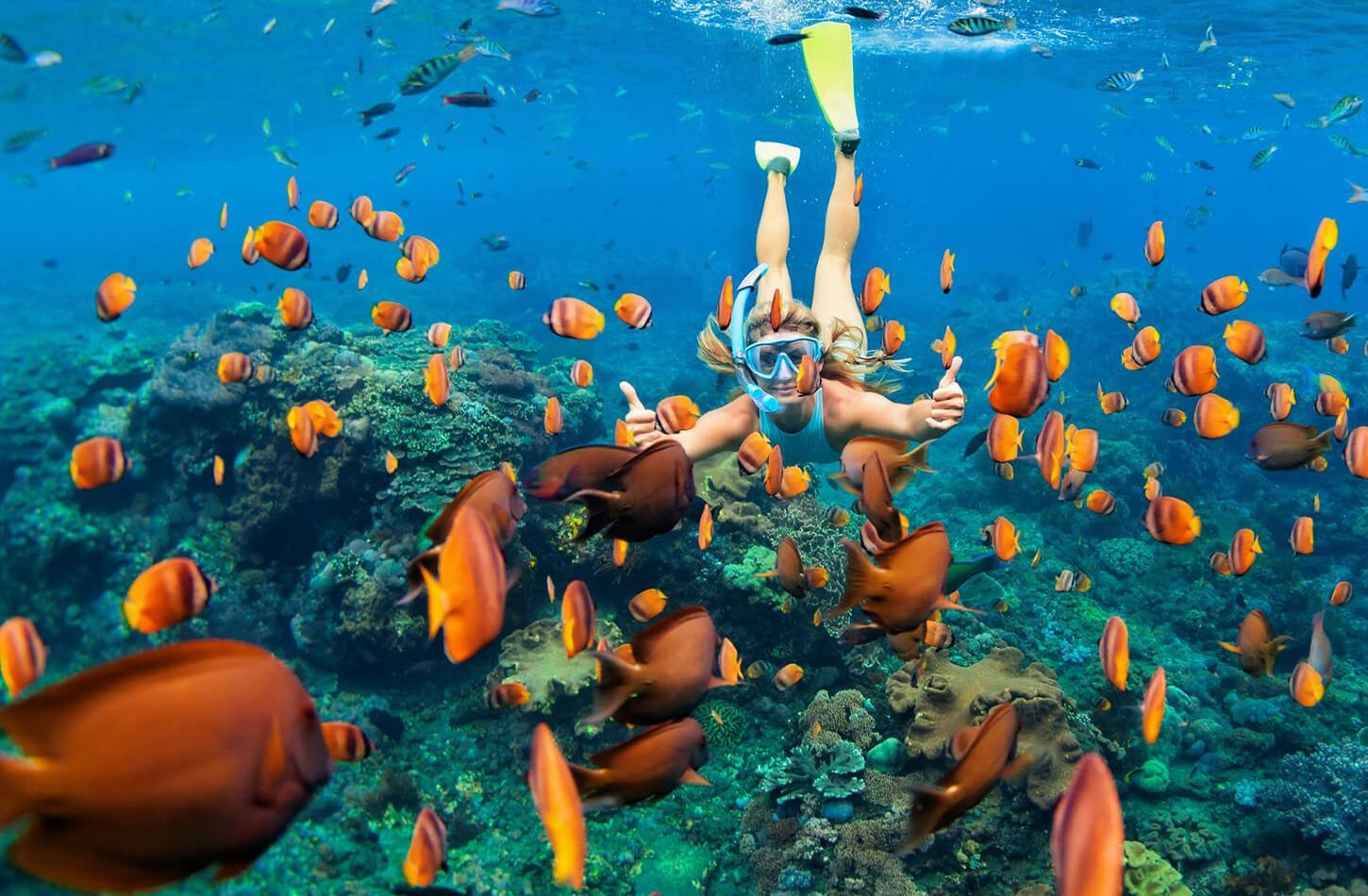
The Red Sea is famous for pristine visibility and abundant marine life, from schooling reef fish to turtles and dolphins. You’ll often see colorful scenes without a long swim, which makes snorkeling approachable for all skill levels.
Coral reefs, gentle currents, and world-class visibility for divers and snorkelers
Fringing reefs lie close to shore at many spots, and gentle currents create safe, calm entries. For diving, healthy coral reefs, drop-offs, and protected parks deliver an experience known around the world for clarity and color.
Elevated viewpoints and cliff-backed coves add dramatic views so that you can split your day between a relaxed beach stroll and vivid underwater exploration.
Sharm El Sheik: Lively Beaches, Coral Reefs, and Big-View Sunsets
From lively waterfront promenades to quiet reef-fringed coves, Sharm El Sheik has something for every shoreline mood. Base yourself here when you want a town vibe by day and an after-dark scene that rolls into Na’ama Bay at night.
Na’ama Bay: Nightlife, dining, and easy water sports access
Naama Bay stands out among the Best Beaches in Egypt thanks to its lively nightlife, waterfront restaurants, and family-friendly beach access. You can trade an afternoon of sun for dinner and a live show, then book paddleboarding or a casual boat excursion the next morning. Small local stalls and tour kiosks make it easy to arrange water gear, snorkeling trips, and short Red Sea adventures on the spot.
Sharks Bay and Ras Um Sid: Quieter coves with reef access and elevated views
Choose Sharks Bay when you crave calmer sand and clear waters that offer direct reef swims and the chance to spot local small sharks. Ras Um Sid has wooden walkways that bring you almost to the coral reefs and deliver rewarding cliffside views for sunset photos.
Ras Mohammed National Park: Iconic reefs and protected marine habitats
At the southern tip, Ras Mohammed National Park protects vibrant coral reefs and classic diving sites. Plan a day here to see dense reef life and enjoy a more protected marine habitat near the Sinai Peninsula.
Dahab’s Shoreline and the Blue Hole: Adventure Meets Laid-Back Vibes
When you step into Dahab’s shoreline, the pace slows, and the water invites exploration. The town has a relaxed promenade, beachfront cafés, and easy shore entries that make days by the sea simple and satisfying.
Snorkeling and diving the Blue Hole and nearby reefs
The Blue Hole is the headline spot—famous for dramatic drop-offs and underwater tunnels that link to the open sea. It draws experienced divers and photographers for its drop-off drama, though it is also known as one of the most dangerous sites for scuba divers.
Nearby reef shelves along the Sinai Peninsula offer calmer snorkeling and shallow reef swims. If you’re newer to the sport, stick to reef edges and shallow entries and leave deep overhead routes to trained divers with careful planning.
You can sample multiple reef spots in a single day. Pair a morning snorkel with a relaxed beach lunch, then try a late-afternoon swim as the light softens—Dahab rewards both casual and adventure-first visitors.
Hurghada: Long Sandy Strands, Water Sports Schools, and Day Trips
Hurghada stretches for miles of soft sand, pairing wide shorelines with a lively city feel. You can spend a calm morning learning a new sport and an evening at a marina-side café with live music.
Downtown vibes vs. resort stretches: where you’ll find kitesurfing and live music
Downtown has bars, restaurants, and a buzzing promenade where locals and visitors mingle. Resorts and hotels line quieter stretches, offering private access and family-friendly entries.
You’ll find established water sports schools for kitesurfing and diving that cater to beginners and intermediate learners. Rentals and instructors make it easy to try new sports on reliable, clear water.
Giftun and Mahmya Island day trip: gentle entry, turquoise waters, coral gardens
Plan a classic day trip to Giftun or Mahmya Island for calm blue waters and soft-sand entries. Boats run regular outings for snorkeling over nearby reefs, where colorful fish and coral gardens are easy to spot.
Whether you want active mornings on the water or lazy afternoons onshore, Hurghada gives you both a beach day and a city night in one accessible destination.
El Gouna: Lagoon Living, Calm Waters, and Family-Friendly Fun
El Gouna earns its place among the Best Beaches in Egypt with calm lagoons and a carefully planned layout that makes seaside days effortless. The upscale marina anchors the town and gives you easy access to cafes and waterfront strolls.
If you’re traveling on Egypt family tours, the sheltered lagoons offer shallow, sand-bottom entries and calm waters that are ideal for children. Many family-friendly resorts sit right on the lagoon front, making it easy to swim, relax, or return to your room within minutes, ensuring a stress-free beach holiday for all ages.
You’ll find beginner-friendly water sports on flatwater lagoons—paddleboarding and gentle kayaking are ideal here. Short boat rides inside the lagoon network or toward the open coast add variety without losing the calm-water feel.
Expect tidy, well-serviced beach fronts where you can settle for a full day or a quick dip between meals. Close enough to Hurghada for extra dining options, El Gouna still feels like a quieter alternative if you want slower sand and steadier waters.
Sahl Hasheesh and Makadi Bay: Upscale Calm South of Hurghada
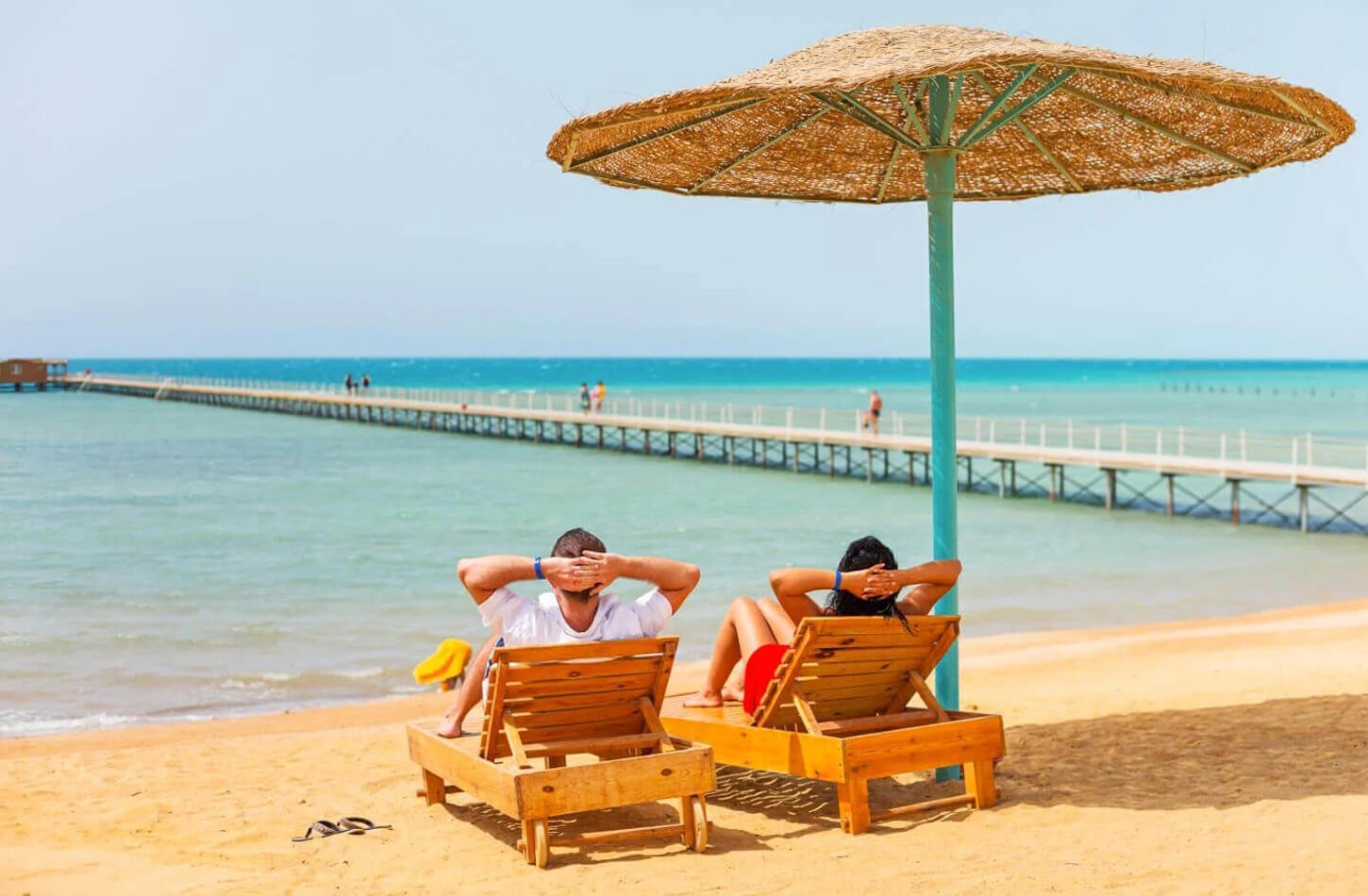
Just south of Hurghada, two resort areas offer a noticeably quieter alternative to the busier northern stretches, making them popular stops on Egypt honeymoon tours. Sahl Hasheesh is built around a sweeping crescent bay with soft sand, calm water, and a collection of upscale beachfront hotels. The gently sloping shoreline suits swimmers of all levels, while reef access from select resorts provides excellent snorkeling opportunities.
Makadi Bay sits a little further south and runs at a similarly unhurried pace. Wide beaches, calm lagoon-style entries, and a high concentration of five-star resorts make it a strong choice for couples or families who want comfort without Hurghada’s crowds. Diving and snorkeling from the shore or by short boat trip delivers healthy reef life, including turtles, moray eels, and schooling fish — the kind of encounters that make the Red Sea famous.
💡 Wessam’s Tip: If you want Hurghada-area beaches without the bustle, base yourself in Sahl Hasheesh or Makadi Bay — you can visit Hurghada’s marina and restaurants by taxi and return to calm water every evening.
Marsa Alam: Untouched Reefs, Turtles, Dolphins, and Desert-Mountain Scenery
Farther south, a quieter shoreline meets dramatic desert ridges and clear-water reefs that reward patient visitors. If you want a calmer base, Marsa Alam offers simpler stays and a stronger focus on nature over nightlife.
Elphinstone Reef: Wall dives and pelagic encounters
Elphinstone Reef is a true bucket-list spot for experienced divers. Its sheer walls and open-water visits bring pelagic life close, making every diving day feel like an adventure.
Al Nayzak natural pool: A surreal swim spot
Al Nayzak feels almost otherworldly. This deep, clear natural pool is ideal for a tranquil swim and striking photos that pair turquoise water with arid mountains on the horizon.
Head to Marsa Alam for regular turtle and dolphin sightings in calm bays. The combination of healthy reefs, desert backdrops, and low crowds creates a paradise for underwater photography and relaxed days by the beach. For divers, early morning or late entries often bring the calmest conditions and the most memorable marine encounters.
Ain Sokhna: The Closest Beach to Cairo for a Quick Escape
If you’re spending time in Cairo and want a beach day without a flight, Ain Sokhna is the answer. Roughly 120 km south of the capital along the Gulf of Suez, it takes about 1.5 hours by road, making it the go-to weekend escape for Cairenes and a practical add-on for travelers who have a day to spare between ancient sites and departure.
The beaches here are cleaner and calmer than many expect. Private resort clubs line the waterfront with sun loungers, water sports rentals, and seafood restaurants. Snorkeling is available, though the reef quality doesn’t match the deeper Red Sea sites further south. What Ain Sokhna does exceptionally well is accessibility — if your Egypt itinerary is pyramid-heavy and beach-light, this is the easiest way to add a genuine Red Sea day to your trip.
💡 Wessam’s Tip: Book a day pass at one of the resort clubs in Ain Sokhna rather than just showing up — most beaches are privately managed and access is by pass or stay.
Ras Abu Galoum: Secluded Shores of the Sinai Peninsula
Hidden among rugged headlands, this protected stretch rewards patient visitors with calm swimming and bright reef life. You’ll feel the pace slow as you approach a small, unspoiled beach area near Dahab.
How to get there and what to expect in this protected area
Getting here is part of the adventure. Arrivals by Jeep, on foot, or even by camel add memorable moments before you touch sand.
Expect a back-to-nature beach day, with the Red Sea lapping gently against an undeveloped shore. Bring a mask and snorkel for easy swims; the waters are clear and full of approachable marine life.
As a protected area, Ras Abu Galoum rewards low-impact visits. Pack out what you bring, avoid damaging the reef, and carry water and sun protection—services are limited.
Compared with busier resort zones, this spot offers silence and space. Start at dawn for a cooler hike and plan flexible swim times when light and conditions are best.
Egypt’s Mediterranean Beaches: Marsa Matrouh, the North Coast & Alexandria
The Mediterranean side of Egypt is systematically underrated by international visitors — and that’s precisely what makes it interesting. Egypt’s North Coast, known locally as Sahel, stretches for hundreds of kilometers along the Mediterranean and is home to some of the country’s most pristine sand. The water is a different character to the Red Sea: cooler, a deeper blue-green, and with a gentler wave rhythm that suits swimmers who find the Red Sea’s flat calm almost too still.
Marsa Matrouh, around 290 km west of Alexandria, is the standout destination — a genuine turquoise bay with soft white sand that rivals anything in Greece. The color of the water here is exceptional: shallow shelves create multiple shades of aqua that photograph extraordinarily well. It’s a summer destination (June–August) when the Red Sea feels oppressively hot, making it a smart calendar flip.
Alexandria is less about classic beach days and more about a Mediterranean city experience — long corniche walks, seafood, and a handful of urban beaches that are popular with Egyptians in summer.
The North Coast (Sahel) is where wealthy Cairenes have their summer homes — heavily developed, with clubs and private beaches running for kilometers. Less suited to international visitors than Marsa Matrouh, but worth knowing about if you’re traveling in July or August when Red Sea temperatures peak.
💡 Wessam’s Tip: Visit Marsa Matrouh in June or early September — the peak Egyptian summer (July–August) brings crowds; shoulder timing gives you the same turquoise water with room to breathe.
Best Time to Visit Egypt’s Beaches by Destination
The right month depends heavily on which coast you’re visiting and what you plan to do there.
Red Sea (Hurghada, Sharm, Dahab, Marsa Alam): October through April offers the most comfortable conditions — warm enough to swim, cool enough to enjoy land activities, and with excellent underwater visibility. June through August is hot (35°C+) but still fully operational — resort-goers embrace early mornings and late evenings, and prices are often lower.
Mediterranean (Marsa Matrouh, North Coast): Peak season here is June through August, when the Mediterranean is at its warmest, and Egyptians head north to escape the heat. Water temperatures are cooler than the Red Sea year-round — pleasant in summer, too cold for most swimmers in winter.
Diving and snorkeling: Autumn (September–November) delivers some of the best underwater visibility across the Red Sea. Spring (March–May) is excellent for pelagic sightings at Elphinstone Reef near Marsa Alam.
Families with young children: October–November and March–April offer the ideal combination of swimmable water, manageable heat, and fewer crowds than school holiday peaks.
Frequently Asked Questions About Egypt’s Beaches
What is the best beach in Egypt for snorkeling?
Dahab’s Blue Hole and nearby Lighthouse Reef are consistently rated among the best snorkelling spots in Egypt for their accessibility and visibility. Ras Mohammed National Park in Sharm El Sheik and Giftun Island near Hurghada are also top picks — both offer direct reef access from shore or a short boat ride, with diverse marine life and clear water.
Does Egypt have Mediterranean beaches as well as Red Sea beaches?
Yes. Egypt’s Mediterranean coastline includes Marsa Matrouh, with some of the clearest turquoise waters in North Africa, as well as Alexandria’s urban beaches and the North Coast (Sahel). These are cooler and less developed than the Red Sea resorts but offer genuinely beautiful water — especially Marsa Matrouh, which rivals Greek island beaches in color and clarity.
What is the best time of year to visit beaches in Egypt?
For Red Sea beaches — Sharm El Sheik, Hurghada, Dahab, and Marsa Alam — October through April offer warm, comfortable conditions with excellent visibility for diving and snorkeling. For the Mediterranean coast, June through August is peak season when the water is warmest. Families and first-timers typically find October and March to be the best all-round months on the Red Sea.
Which Egyptian beach is best for families?
El Gouna is the most family-friendly option — its calm, shallow lagoons have sand-bottom entries ideal for young children, and resort access is easy. Hurghada’s southern stretches and Makadi Bay are also excellent, with wide beaches and organized water sports schools. Sahl Hasheesh suits families wanting a quieter, upscale base close to Hurghada’s amenities.
What beach is closest to Cairo?
Ain Sokhna on the Gulf of Suez is the closest beach to Cairo, roughly 120 km south, about 1.5 hours by road. It has resort clubs with private beach access, water sports, and seafood restaurants. It’s the most practical option for travelers who want to combine a Cairo sightseeing itinerary with a beach day without having to fly.
Conclusion
Before you book, decide which mix of reef swims, boat outings, and lazy sun time matters most. Your destination options include Sharm el-Sheik, Hurghada, Dahab, El Gouna, and Marsa Alam, plus protected zones such as Ras Mohammed and Ras Abu Galoum. Each spot offers different beach types, calm lagoons, or reef-front access for snorkeling and diving.
Mix shore days with one boat day to see coral reefs and offshore islands. Pick hotels or resorts close to the water to maximize time outdoors and make swimming easy for families. When you leave, you’ll carry the color of the water and a clear plan for your next coastal adventure.
